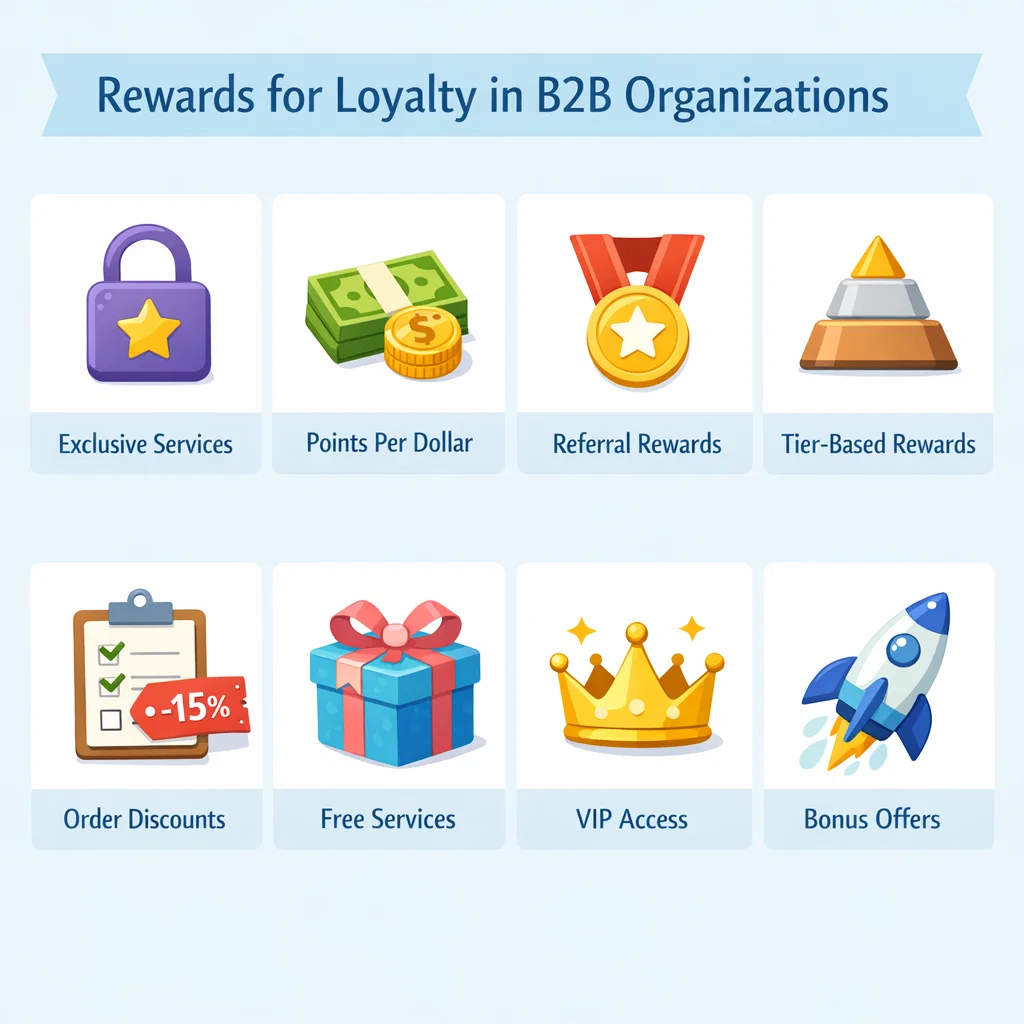
In today’s competitive B2B landscape, winning a customer is only half the battle. The real challenge lies in keeping them engaged, satisfied, and loyal over the long term. That’s where b2b loyalty programs come into play. Unlike consumer loyalty initiatives, B2B programs must address longer sales cycles, multiple decision-makers, and highly rational purchasing behavior. When designed correctly, they can become powerful tools for driving repeat business, strengthening partnerships, and improving lifetime value.
This article explores how to design high-impact B2B loyalty programs that actually work—programs that go beyond discounts and deliver real, measurable value.
Why B2B Loyalty Programs Matter More Than Ever
Customer acquisition costs in B2B are rising, while buyers have more options than ever before. Retaining existing customers is significantly more cost-effective than acquiring new ones, and loyal customers tend to buy more, stay longer, and advocate for your brand.
Effective b2b loyalty programs help businesses:
- Increase repeat purchases and contract renewals
- Strengthen long-term relationships
- Reduce churn in competitive markets
- Create differentiation beyond price
However, many B2B loyalty initiatives fail because they simply copy B2C models without considering the unique nature of B2B relationships.
Understand the B2B Buyer Mindset First
Before designing a loyalty program, it’s critical to understand how B2B buyers think. Unlike consumers, B2B customers are driven by logic, ROI, operational efficiency, and strategic value. Purchasing decisions often involve multiple stakeholders such as procurement teams, finance departments, and senior leadership.
Successful b2b loyalty programs focus on:
- Business outcomes rather than emotional rewards
- Long-term value instead of instant gratification
- Relationship depth instead of transactional perks
Your program should feel like a partnership enhancer, not a marketing gimmick.
Define Clear Goals and Metrics
A high-impact loyalty program starts with clear objectives. Ask yourself what you want the program to achieve. Is it higher renewal rates? Increased cross-selling? More predictable revenue?
Common goals include:
- Improving customer retention
- Increasing average deal size
- Encouraging adoption of additional services
- Rewarding long-term commitments
Once goals are defined, tie them to measurable KPIs. This is where customer retention management software becomes invaluable. With the right tools, you can track engagement, purchase frequency, churn risk, and program ROI in real time.
Move Beyond Discounts and Cashback
One of the biggest mistakes in b2b loyalty programs is relying solely on discounts. While price incentives may drive short-term behavior, they rarely build true loyalty and can even erode perceived value.
Instead, consider value-driven rewards such as:
- Priority support or dedicated account management
- Exclusive access to new features or products
- Training, certifications, or consulting hours
- Co-marketing or partnership opportunities
These rewards align more closely with B2B priorities and reinforce long-term collaboration.
Personalization Is Non-Negotiable
B2B customers expect tailored experiences just as much as B2C buyers—if not more. A one-size-fits-all loyalty program will struggle to deliver results across diverse customer segments.
Using customer retention management software, businesses can:
- Segment customers based on size, industry, or lifecycle stage
- Customize rewards and incentives per segment
- Identify high-value accounts that deserve premium benefits
- Trigger personalized offers based on behavior and engagement
Personalization makes your loyalty program relevant, meaningful, and far more effective.
Integrate Loyalty Into the Entire Customer Journey
High-performing b2b loyalty programs are not isolated initiatives. They are deeply integrated into the overall customer journey—from onboarding to renewal.
For example:
- Reward early adoption during onboarding
- Incentivize consistent usage and engagement
- Recognize milestones such as contract anniversaries
- Encourage advocacy through referrals and testimonials
When loyalty is embedded throughout the lifecycle, customers feel continuously valued rather than occasionally rewarded.
Leverage Technology for Automation and Insights
Managing B2B loyalty programs manually is inefficient and unsustainable, especially as your customer base grows. Technology plays a critical role in scaling and optimizing your efforts.
Modern customer retention management software allows you to:
- Automate reward tracking and fulfillment
- Monitor customer health scores
- Identify churn risks before they escalate
- Generate insights to refine your loyalty strategy
With data-driven insights, you can continuously improve your program and ensure it delivers measurable business impact.
Encourage Collaboration, Not Just Transactions
The most successful b2b loyalty programs focus on collaboration. They position loyalty as a shared journey where both parties benefit from growth and success.
Ways to encourage collaboration include:
- Joint planning sessions or strategy workshops
- Loyalty tiers based on partnership depth, not just spend
- Rewards for knowledge sharing or innovation
- Long-term incentives tied to mutual goals
This approach transforms customers into strategic partners rather than repeat buyers.
Measure, Optimize, and Evolve Continuously
A loyalty program is never “set and forget.” Markets change, customer expectations evolve, and your program must adapt accordingly.
Regularly review:
- Participation and engagement rates
- Impact on retention and revenue
- Customer feedback and satisfaction
- Performance across different segments
By combining qualitative feedback with quantitative data from customer retention management software, you can refine your program and keep it relevant over time.
Final Thoughts
Designing high-impact b2b loyalty programs requires a thoughtful, strategic approach. It’s not about offering the biggest discount—it’s about delivering consistent value, personalization, and partnership. When supported by the right technology and aligned with business goals, loyalty programs can become powerful drivers of customer retention and long-term growth.
Businesses that invest in smart loyalty strategies today will be the ones building stronger, more profitable relationships tomorrow.