
You fire up that forgotten relic of a PC – the one quietly aging in the corner like an antique – and, on a whim, punch “cs 1.6 download” into your browser. A few minutes later, you’re materializing on de_dust2, adrenaline already spiking as you charge B with a squad of total strangers who feel like instant comrades. No shimmering skins, no bloated seasonal patches, no intrusive battle passes – just raw, unfiltered chaos that grips you from the first burst of an AK.
Here’s a bold, slightly rebellious take: Counter-Strike 1.6 didn’t just shape a genre – it evolved into the ultimate game of the people, a universal battleground anyone could enter with nothing more than a budget PC and the dream of dropping a flawless ace. While modern shooters bury themselves under paywalls, “premium content,” and endless updates, this timeless classic thrives on its purity, its wild modding culture, and a community-driven server ecosystem that’s as open and welcoming as an old neighborhood playground.
the magic of simplicity: no frills, all thrills
Picture this: it’s the early 2000s, broadband is rare, and your family PC crawls on dial-up. Yet CS 1.6 runs flawlessly, demanding almost nothing while delivering endless clutch moments. Built on the GoldSrc engine from Half-Life, it cuts all the fluff—no unlocks, no microtransactions, just pure skill in aiming, spraying, and teamwork. You spawn with a knife, buy an AK on a full buy, or go pistol eco to save for later. Simple to learn, impossible to master—that’s the timeless hook.
Technically, the game’s low poly models and basic physics mean it flies on old hardware. Colleges loved it: cram 20 kids into a dorm LAN, no crashes, just rushes till dawn. No visual recoil tricks like in modern titles; you pull down on that mouse to control sprays, feeling every bullet. It’s addictive because it’s fair-your ping might lag, but mechanics don’t lie. Newbies peek corners wrong, get wallbanged, learn fast. Veterans? They bhop across maps like ghosts, turning pubs into highlight reels.
Why ‘people’s game’? Accessibility. Free to play (grab a counter strike free version), no barriers. In regions like Brazil or Russia, cyber cafes exploded with 1.6 sessions-cheap entry, global bonds formed over voice chat. You didn’t need a beast rig; just passion. That simplicity outshone flashier sequels like Source, keeping communities split and loyal.
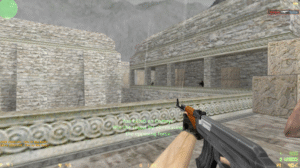
modding madness: from vanilla to zombie apocalypse
Ever wondered why CS 1.6 feels eternal? Modding. This game wasn’t locked down; it invited chaos. Tools like AMX Mod X turned servers into playgrounds, letting admins script custom modes without dev approval. You hop on a zombie plague server: one bite, you’re undead, infecting humans with claws while survivors upgrade lasers and barricades. Pure, chaotic fun that vanilla never dreamed of.
Technical dive: Metamod acts as a plugin loader, hooking into the engine for seamless tweaks. Add AMX for admin tools, custom weapons, or full game overhauls. Surf mods abuse strafe physics-you glide ramps at Mach speeds, chaining stages for WRs. Bhop servers demand pixel-perfect jumps, turning movement into art. GunGame? Start with Glock, upgrade per kill till AWP godhood. These weren’t afterthoughts; they exploded popularity, drawing crowds who craved variety.
Nostalgia hits: remember grinding fy_iceworld with bots? Mods added bots everywhere, perfect for offline practice. Community coders shared scripts on forums like AlliedModders, fostering a DIY ethos. It was democratic-anyone could host a modded server, tweak rules, ban campers. Satirical aside: imagine a server where every HE nade spawns dancing chickens-total troll, but hey, that’s modding magic. (Just kidding, folks-this is playful exaggeration; real mods focus on fun, not fowl play.)
This openness made 1.6 a creator’s paradise, outlasting trends by evolving player-driven.
the open server phenomenon: anyone’s battlefield
Hundreds of servers, thousands online-that’s CS 1.6 in 2025. Open servers are the heartbeat: public, non-Steam beasts anyone joins via master lists like GameTracker. You search “dust2 only,” queue instantly, frag with globals from Peru to Poland. No matchmaking queues; just hop in, stack with randos, pull a clutch 1v3.
Why phenomenal? Freedom. Host your own via Hamachi or dedicated tools-low cost, high control. Communities built empires: Russian pubs with voice roasts, Brazilian zombie hives buzzing 32/32. Fake player bots boosted counts, drawing real crowds (shady, but effective). It was social media before apps: clans recruited via IRC, forums like HLTV debated metas.
Technically, WON authentication pre-Steam meant easy piracy and servers, spreading like wildfire. Post-Steam? Non-Steam versions kept it free, servers thriving on plugins for anti-cheat or VIP perks. You rotate sites, hear “gg” after rounds-real connections formed. In cafes, open servers meant endless LANs, turning strangers into squad mates.
This openness democratized gaming: no paywalls, just passion. It outlived Source’s divide, uniting folks who craved unfiltered frags.
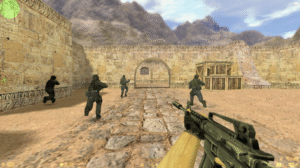
community and culture: bonds beyond bullets
CS 1.6 wasn’t solo; it built tribes. You joined clans, practiced strats, competed in WCG tourneys that felt epic. Forums buzzed with config shares, demo reviews-everyone contributed. Mods amplified: superhero servers granted powers, jailbreak turned maps into prisons with last requests like knife duels.
Nostalgic tales: sneaking cafe hours, yelling “open cells!” in jailbreak, or saving rounds in tense ecos. It defined generations, teaching teamwork amid gunfire. Even pros like Fifflaren called for unity, blending 1.6 vets with new blood.
why it endures: lessons from a pixel empire
That first ace rush? Timeless. CS 1.6 proves simplicity wins, modding sparks creativity, open servers foster belonging. In flashy eras, it reminds you: core fun trumps graphics.
Dust off configs, queue up-reclaim that thrill. For a stable cs 1.6 download, hit cs-unikov.net-non-Steam ready, bots included. Install, spawn, rush eternal. Communities wait; your legend begins.