
Competitive gaming has grown massively in recent years. What used to be casual fun is now a serious arena where millions of players compete online, improve their skills, and aim for top ranks or even professional esports careers. One term that has become popular in this space is Gamer Challenger. But what does it really mean, and what skills do you need to become one?
This guide explains Gamer Challenger in simple words. It covers the mindset, skills, and habits you need to excel in competitive gaming. Whether you’re a beginner or an aspiring pro, this article will help you understand how to level up your gaming journey.
What Is a Gamer Challenger?
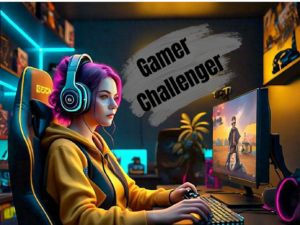
A Gamer Challenger is someone who actively competes in games while constantly improving their skills. It’s not just about winning matches—it’s about growth, learning, and pushing your limits.
In many games, “challenger” is a rank that indicates top-level performance. But being a Gamer Challenger isn’t just about ranks; it’s about dedication, focus, and discipline. You learn from both victories and defeats, always aiming to get better.
Why Competitive Gaming Is So Popular
Competitive gaming has exploded worldwide thanks to faster internet, online tournaments, and streaming platforms. Games across genres—shooters, strategy, sports, and battle arenas—offer competitive modes where players can prove their skills.
The rise of esports has created opportunities for players to go professional. But reaching high levels requires more than just playing frequently. It requires skill, strategy, and the mindset of a Gamer Challenger.
Core Skills Every Gamer Challenger Needs
Becoming a Gamer Challenger requires a mix of technical, mental, and strategic abilities:
- Mechanical Skills: These are your in-game movements, aiming accuracy, and reaction time. Practicing regularly improves these skills.
- Game Knowledge: Understanding maps, characters, weapons, and game rules gives you an edge over opponents.
- Strategic Thinking: Planning, adapting strategies during matches, and reading opponents’ behavior separates top players from others.
Mental Strength Matters
Competitive gaming isn’t only about reflexes; mental strength is key. Gamer Challengers stay calm under pressure, handle losing streaks, and focus on learning from mistakes rather than getting frustrated.
Confidence helps you perform at your best, while humility allows you to accept feedback and improve continuously.
Communication and Teamwork
In team games, communication is essential. A true Gamer Challenger knows how to call out enemy positions, share strategies, and work with teammates without conflict.
Understanding roles in a team is just as important. You must know when to lead, when to support, and how to adapt to the team’s needs. Often, coordination matters more than individual skill.
Smart Practice Habits
Effective practice is not about playing endlessly—it’s about practicing with purpose.
- Short, focused sessions often work better than long, unfocused hours.
- Focus on specific skills like aiming, movement, or strategy.
- Watch your own replays to spot mistakes and improve.
- Learn from streams or tutorials of skilled players to pick up new techniques.
Time Management in Competitive Gaming
Balancing gaming with school, work, or personal life is crucial. A Gamer Challenger knows how to manage their time wisely.
Setting goals for each session, taking breaks, and following a healthy routine ensures steady improvement and prevents burnout. Rest is as important as practice—fatigue can reduce focus and reaction time.
Staying Updated With Game Changes
Games frequently update with new content, balance changes, or mechanics. Gamer Challengers keep up with these updates to adapt quickly.
Being flexible and learning new strategies ensures you remain competitive in an ever-changing gaming environment.
Positive Mindset and Growth
A positive mindset is vital for long-term growth. Every match—win or lose—is a learning opportunity. Gamer Challengers respect opponents and teammates, focus on improving skills, and view setbacks as lessons rather than failures.
Solo vs Team Competitive Play
Competitive gaming comes in solo and team formats. Each requires different approaches:
- Solo Play: You must rely on your own decision-making and manage pressure alone.
- Team Play: Focuses on communication, coordination, and supporting team objectives.
Learning both styles makes you a versatile and skilled competitor.
Consistency Is Key
Consistency is one of the most important traits of a Gamer Challenger. Skill improvement takes time, so regular practice and self-improvement matter more than sporadic gaming.
Small, consistent progress leads to long-term success.
Common Challenges
Gamer Challengers face challenges like performance pressure, skill plateaus, and criticism. Plateaus can be overcome by adjusting practice methods or learning new strategies.
Handling criticism positively helps you grow rather than lose confidence. Learning what feedback is useful is part of the journey.
Why These Skills Matter Beyond Gaming
The skills developed as a Gamer Challenger—focus, discipline, teamwork, and problem-solving—are valuable outside gaming too. They help in education, work, and personal life.
Some players even turn these skills into careers in esports, content creation, or game-related industries.
Conclusion
Being a Gamer Challenger is more than just winning games. It’s about dedication, improvement, and continuous learning. By developing mechanical skills, mental strength, strategic thinking, and healthy habits, you can elevate your gaming to a new level.
Competitive gaming is challenging, but with the right mindset and habits, it becomes a journey of growth, skill, and fun. Whether your goal is climbing ranks, joining tournaments, or mastering a game, adopting the Gamer Challenger mindset will help you succeed.
FAQs
How much time does it take to reach Gamer Challenger level?
The time varies, but consistent practice and learning can help players reach challenger levels in a few months to a year.
Can casual gamers become Gamer Challengers?
Yes, with focused practice, strategy improvement, and dedication, even casual gamers can develop challenger-level skills.
What equipment do I need to improve as a Gamer Challenger?
A reliable computer or console, stable internet, quality peripherals, and practice tools or apps can boost performance.
Are Gamer Challenger skills useful outside gaming?
Yes, skills like focus, teamwork, strategy, and discipline are valuable in education, work, and personal growth.
How can I join esports tournaments as a Gamer Challenger?
Start with online competitions, ranked matches, or community tournaments to gain experience and visibility in the esports world.