
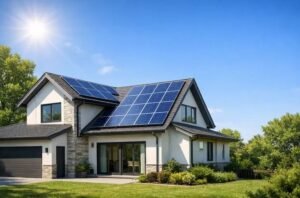
Many people install solar expecting strong savings — and then feel disappointed when output is lower than expected. In most cases, the problem is not the solar panels themselves, but the planning behind them. Poor sizing, tight layouts, shading, and lack of monitoring quietly reduce performance over time.
This guide explains how to plan your system properly, utilizing panel dimensions, layout design, efficiency, and the Capacity Utilization Factor (CUF). These steps are the same ones professionals use to avoid performance losses and protect long-term returns.
Why Solar Planning Matters Before You Buy Anything
Many homeowners start by buying panels first and planning later. This often leads to problems:
- Panels do not fit the roof efficiently.
- Shade reduces output throughout the year.
- Wiring becomes messy or unsafe.
- Maintenance becomes difficult or impossible.
A better approach starts with two simple checks:
- Confirm the panels physically fit your usable space.
- Monitor system performance using a simple, reliable metric.
These two steps prevent most long-term performance problems.
Solar Panel Dimensions: What They Mean and Why They Matter
Solar panel dimensions refer to the length, width, and thickness of a panel. These measurements determine how many panels fit on your roof, how safely they can be mounted, and how easily they can be maintained.
What solar panel dimensions include
- Length (top to bottom)
- Width (side to side)
- Thickness (front to back)
They affect:
- Roof layout
- Row spacing
- Mounting rail placement
- Wind load
- Walkway access for maintenance
Common panel formats
- Residential panels (60-cell or 120 half-cell)
- Commercial panels (72-cell or 144 half-cell)
- Large-format utility panels
Always check the manufacturer’s datasheet before purchasing.
What to check before buying
- Panel length and width
- Panel weight
- Frame thickness
- Connector type and cable length
- Mounting compatibility
This prevents installation and safety problems later.
How to Plan Roof Space Using Panel Dimensions
A roof may look large, but usable space is much smaller once you account for vents, edges, shadows, and safety walkways.
Practical roof planning steps
- Measure usable roof area.
- Mark vents, chimneys, skylights, and edges.
- Leave clearance near edges for wind safety.
- Leave walk paths for maintenance.
- Avoid seasonal shade from trees and buildings.
Simple layout rules
- Keep panels in neat, aligned rows.
- Maintain equal spacing between panels.
- Avoid tight layouts with no service access.
- Leave airflow space under panels to reduce heat buildup.
Cooler panels operate more efficiently and last longer.
How Panel Size Relates to Power Output
Bigger panels can collect more sunlight, but size alone does not determine output. Efficiency and design matter just as much.
- Larger area = more light collection
- Higher efficiency = more power from the same area
Always consider:
- Watt rating (W)
- Physical size
- Efficiency percentage
Buying tips
- Use high-efficiency panels if space is limited.
- Avoid shaded areas even if they fit more panels.
- Choose brands with reliable datasheets and warranties.
Solar Panel Efficiency and Layout Optimization
Most modern panels have efficiencies between 19% and 23%. Panels above 22% are considered high-efficiency and are useful when roof space is limited.
Best direction and tilt
- Panels should face the direction with the most sun exposure for your location.
- Tilt should match local latitude or roof slope for optimal yearly output.
Installers typically optimize this, but understanding it helps avoid mistakes.
Layout tips
- Place panels in areas with minimal shade year-round.
- Keep rows straight and evenly spaced.
- Do not mix panel sizes in one array.
- Maintain consistent tilt in each row.
- Allow airflow and service access.
These steps improve output and reduce maintenance risks.
What CUF Means in Solar and Why It Matters
The Capacity Utilization Factor (CUF) measures how much energy your system produces compared to its rated capacity.
To understand the calculation in detail, you can refer to the CUF formula.
CUF formula
Typical CUF ranges
- Residential rooftop systems: 15%–22%
- Utility-scale plants: 18%–25%
Values below 12% often indicate shading, dirt, wiring issues, or inverter faults.
What CUF helps you detect
- Performance drops
- Dirt or dust buildup
- New shading from trees or buildings
- Equipment or inverter problems
Tracking CUF monthly helps you catch issues early.
How to Calculate CUF (Simple Example)
- System size: 10 kW
- Monthly energy: 1,200 kWh
- Days: 30 → Hours = 720
Tracking this monthly shows whether performance is stable or declining.
What Can Lower CUF and Reduce Output
- Dust and dirt on panels
- Shade from trees or buildings
- Poor tilt or direction
- Loose wiring
- Inverter faults
- Excessive heat with low airflow
Quick checks
- Review monitoring alerts.
- Compare current and previous months.
- Inspect panels for dirt or bird droppings.
- Look for new shade patterns.
- Call a technician if output drops sharply.
How to Improve Solar Output
- Clean panels regularly.
- Trim nearby trees.
- Ensure airflow beneath panels.
- Check inverter status weekly.
- Protect wiring from damage.
These small actions protect performance and extend system life.
FAQs About Solar Panel Dimensions and CUF Formula
Here is a list of important questions and answer releated to the Article
- What is the standard size of a solar panel?
Most residential solar panels measure about 1.7 m × 1.1 m (65 in × 39 in) and produce between 400 and 550 watts. Commercial panels are slightly larger. Exact size depends on the manufacturer and cell format, so always check the datasheet before installation.
- What is a good CUF for a solar power system?
A good CUF is usually between 15% and 22% for residential rooftop systems. Utility-scale systems can reach up to 25% in high-sun regions. If CUF drops below 12%, it often indicates shading, dirt, or equipment issues.
- Does panel direction really affect solar output?
Yes. Panel direction determines how many hours of direct sunlight the panels receive. Panels facing the equator (south-facing in the northern hemisphere, north-facing in the southern hemisphere) usually generate the most energy over the year.
- How often should solar panels be cleaned?
Solar panels should be cleaned every 3 to 6 months, or more often in dusty, dry, or polluted environments. Regular cleaning can improve output by 5–15%, especially in areas with high dust or bird activity.
- Why is my solar system producing less power than expected?
Common reasons include panel shading, dust buildup, inverter faults, wiring issues, high temperatures, or incorrect tilt. Monitoring performance and tracking CUF monthly helps identify the exact cause early.
Conclusion
Solar performance depends far more on planning and monitoring than most people realize. Choosing the right panel size, designing a clean layout, and tracking performance with CUF prevents costly mistakes and protects your investment.
Measure carefully before installation. Monitor consistently after installation. These two habits alone can maximize your solar output for years to come.