For more than a decade, smartphones have been at the center of our digital lives. We use them to communicate, work, learn, shop, and entertain ourselves. However, many leading technology companies now believe that the smartphone may not always remain the main device we depend on. Tech giants like Apple, Google, Meta, Microsoft, and others are actively exploring a future beyond smartphones. This article explains, in simple and clear wording, what this post-smartphone future could look like, why companies are moving in this direction, and how it may affect everyday life.
Why Tech Giants Are Looking Beyond Smartphones
Smartphones have reached a level of maturity where innovation has slowed. New models still bring improvements, but these changes are often small and not revolutionary. For tech companies that rely on growth and innovation, this creates a challenge. They need new platforms that can define the next era of technology.
Another reason is user behavior. People want faster, more natural, and less distracting ways to interact with technology. Constantly looking at a screen is tiring and not always convenient. Tech giants see an opportunity to create tools that blend more smoothly into daily life, reducing screen dependence while still offering powerful digital experiences.
The Concept of a Post-Smartphone World
A post-smartphone world does not mean smartphones will disappear overnight. Instead, it suggests that smartphones may no longer be the main device we rely on. In this future, technology could be spread across multiple smart devices that work together seamlessly.
These devices may include smart glasses, wearable technology, voice-controlled assistants, and even brain-computer interfaces. The goal is to make technology more intuitive, always available, and less intrusive. Tech giants envision a world where information comes to us naturally, without needing to unlock a phone and scroll through apps.
Role of Artificial Intelligence
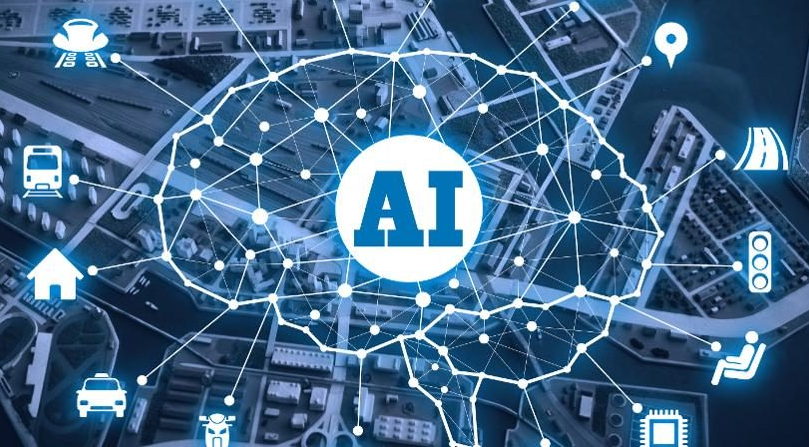
Artificial intelligence is at the heart of the future beyond smartphones. AI allows devices to understand context, predict needs, and respond intelligently. Instead of manually searching for information, users could simply ask or receive suggestions automatically.
For example, AI assistants may remind you of tasks, manage schedules, or provide navigation guidance through voice or visual cues. This reduces the need for constant screen interaction. Tech giants are investing heavily in AI because it enables more natural communication between humans and machines.
Augmented Reality and Smart Glasses
Augmented reality, or AR, is one of the most promising technologies in the post-smartphone era. AR overlays digital information onto the real world, allowing users to see directions, messages, or instructions directly in their field of view.
Smart glasses powered by AR could replace many smartphone functions. Instead of checking a phone for notifications or maps, users could see this information through lightweight glasses. Tech giants believe this technology can transform work, education, travel, and entertainment by making digital content more immersive and hands-free.
Wearable Technology and Smart Devices
Wearables are already a part of daily life through smartwatches and fitness trackers. In the future, these devices may become even more powerful and independent. Advanced wearables could handle communication, health monitoring, and payments without needing a smartphone nearby.
Tech giants see wearables as a key step toward reducing smartphone dependence. These devices are always with the user and can deliver information in quick, simple ways. Over time, wearables may evolve into primary digital tools rather than accessories.
Voice and Gesture-Based Interaction
Another important trend is the shift from touch-based interaction to voice and gestures. Voice assistants are becoming more accurate and capable, allowing users to control devices without screens. Gesture recognition technology may also allow users to interact with digital content through simple movements.
This change supports the idea of technology that feels more natural and human. Instead of tapping and swiping, users can speak or move naturally. Tech giants believe this will make technology more accessible and reduce digital fatigue.
Brain-Computer Interfaces and Advanced Concepts
Some tech companies are exploring more futuristic ideas, such as brain-computer interfaces. These systems aim to connect the human brain directly with computers, allowing thoughts to control digital actions. While this technology is still in early stages, it represents how far beyond smartphones tech giants are thinking.
Although widespread use may be many years away, early research shows potential for medical, communication, and accessibility applications. This highlights how the post-smartphone future could redefine how humans interact with technology at a fundamental level.
Impact on Communication and Social Interaction
As technology moves beyond smartphones, communication methods may change significantly. Instead of typing messages or scrolling social media feeds, users may interact through voice, virtual spaces, or immersive digital environments.
Virtual and augmented reality could enable more realistic remote interactions, making people feel present even when far apart. Tech giants believe this could improve collaboration, education, and social connections, especially in a global and digital world.
Privacy and Security Challenges
With new technologies come new concerns. Devices that are always listening, watching, or collecting data raise important questions about privacy and security. Tech giants must address these issues to gain user trust.
Strong data protection, transparency, and user control will be essential in the post-smartphone era. Companies that fail to prioritize privacy may face resistance, even if their technology is advanced. Balancing innovation with responsibility will be a major challenge.
How This Shift Affects Businesses and Jobs
The move beyond smartphones will also affect businesses and the job market. New industries will emerge around AR, AI, wearables, and immersive experiences. At the same time, existing roles may change as technology evolves.
Developers, designers, and content creators will need new skills to build experiences for these platforms. Businesses that adapt early may gain a competitive advantage, while those that rely only on traditional mobile strategies may fall behind.
Adoption Timeline and Realistic Expectations
It is important to understand that this transition will be gradual. Smartphones are still powerful, convenient, and widely used. The post-smartphone future will likely coexist with smartphones for many years.
Tech giants are experimenting, testing, and slowly introducing new devices and platforms. Consumer adoption will depend on affordability, comfort, and clear benefits. Over time, as technology improves, people may naturally shift toward new ways of interacting with the digital world.
Benefits of a Future Beyond Smartphones
A future beyond smartphones offers several potential benefits. Reduced screen time could improve focus and mental well-being. Hands-free interaction can increase safety, especially while driving or working. More immersive experiences can enhance learning, productivity, and creativity.
By making technology blend into daily life, tech giants aim to create tools that support humans rather than distract them. This vision focuses on convenience, efficiency, and meaningful interaction.
Conclusion
Tech giants envision a future beyond smartphones where technology becomes more natural, intelligent, and integrated into everyday life. Through AI, augmented reality, wearables, and new interaction methods, companies are preparing for a post-smartphone era that could transform how we communicate, work, and live. While smartphones will not disappear anytime soon, their role may gradually change. Understanding this shift helps users and businesses prepare for the next major chapter in digital innovation.
FAQs
Which companies are leading the post-smartphone development?
Tech giants like Apple, Google, Meta, Microsoft, and Samsung are pioneering technologies beyond smartphones.
What technologies will replace smartphones?
Augmented reality glasses, AI assistants, wearables, and brain-computer interfaces are key future technologies.
How will daily life change without smartphones?
Users may interact via voice, gestures, smart devices, and immersive environments instead of screens.
Are smartphones disappearing immediately?
No, smartphones will coexist with new technologies for many years during the gradual transition.
What challenges do companies face in this shift?
Privacy, security, user adoption, and device compatibility are major challenges for tech giants.