AI is changing cybersecurity because businesses now have to protect faster-moving systems, larger amounts of data, and more unpredictable digital threats.
For many companies, cybersecurity used to feel like a checklist: install antivirus software, set up firewalls, train employees, and respond when something went wrong. That approach is no longer enough. Attacks are more automated, business systems are more connected, and even small gaps can create serious risk.
Why Cybersecurity Risk Is Getting Harder To Manage
Most businesses now rely on cloud tools, remote access, mobile devices, third-party platforms, and shared data. This makes work easier, but it also creates more entry points for attackers.
A company may not notice every weak password, unusual login, suspicious file, or risky user action right away. By the time a problem becomes obvious, the damage may already be done.
That is why cybersecurity risk is becoming less about reacting after an incident and more about spotting warning signs early.
How AI Helps Teams See Risk Sooner
AI can review large amounts of activity much faster than a human team can. It can look for patterns, unusual behavior, and signs that something may be wrong.
For example, AI tools may help detect:
- A login from an unusual location
- A sudden increase in failed password attempts
- Suspicious file downloads
- Strange network activity
- Emails that look like phishing attempts
- User behavior that does not match normal activity
This does not mean AI replaces people. It gives IT and security teams better information, enabling them to act sooner.
Why Human Judgment Still Matters
AI can flag suspicious activity, but people still need to decide what the warning means. Not every alert is a real threat. Not every unusual action is harmful.
A traveling employee may log in from another country. A finance team member may download many files during an audit. These actions could look risky, but context matters.
This is where experienced guidance becomes important. Many businesses use cybersecurity consulting services to assess their risks, improve security processes, and determine which tools are appropriate for their size and industry.
AI Can Improve Everyday Security Decisions
AI is also changing how companies plan cybersecurity. Instead of only asking, “What happened?” businesses can start asking, “What might happen next?”
That shift helps teams make better daily decisions. They can prioritize the most serious risks, reduce unnecessary alerts, and focus on the systems that matter most.
AI can support:
- Threat detection
- Risk scoring
- Security monitoring
- Incident response planning
- Employee training
- Fraud detection
- Access management
Used carefully, these tools can make security work more practical and less overwhelming.
Building A Smarter Cybersecurity Strategy
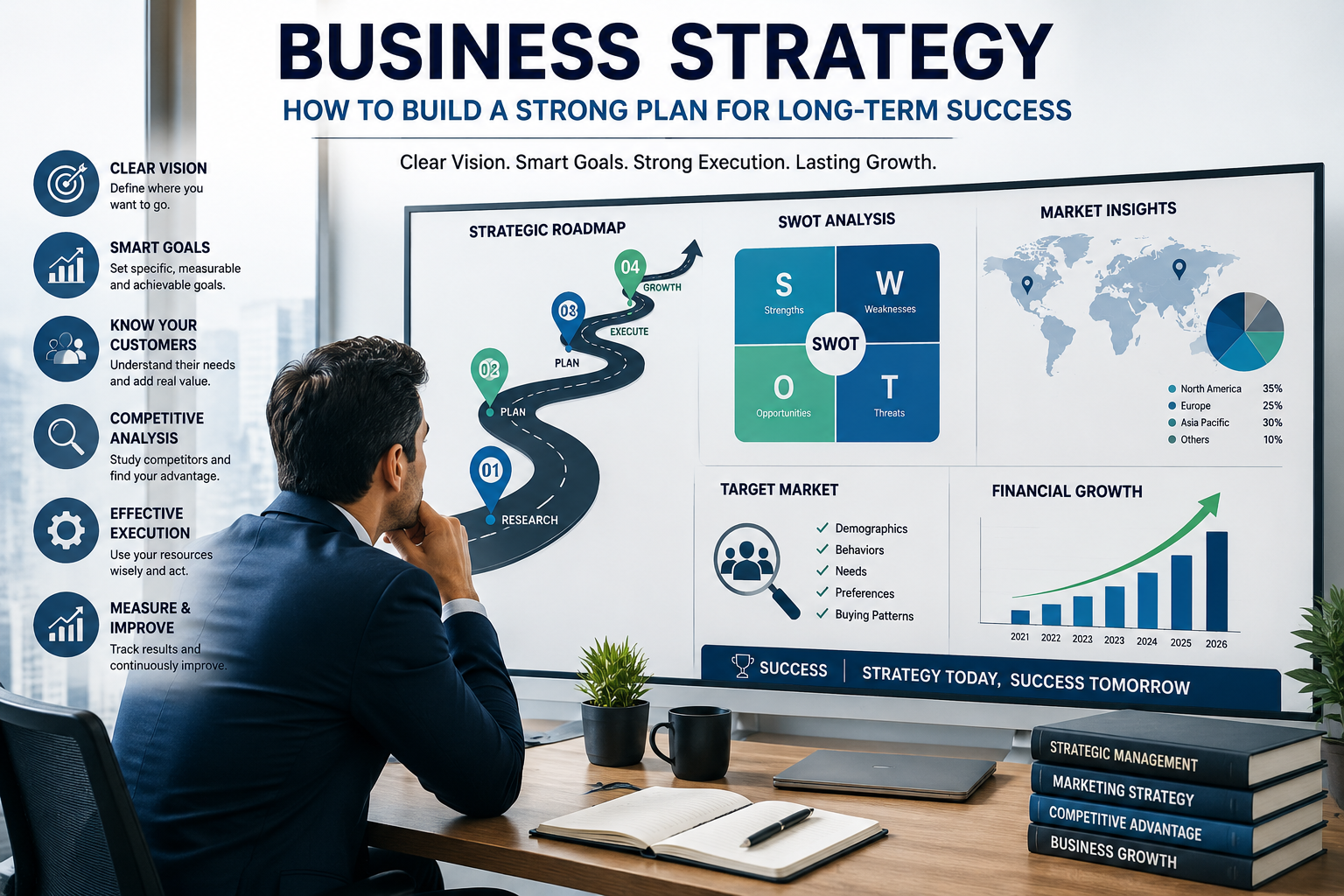
AI works best when it supports a clear business plan. Buying tools without a strategy often creates confusion. Teams may end up with too many alerts, overlapping software, or systems no one fully understands.
A better approach starts with understanding the company’s current risks, data, users, and operations. From there, leaders can decide where AI adds real value.
Businesses exploring AI consulting can use that support to align security goals with practical technology choices, rather than chasing tools that may not fit their needs.
Keeping AI Risk In Perspective
AI brings real benefits, but it also creates new questions. Companies need to consider data privacy, accuracy, access control, and AI system management.
The goal is not to make cybersecurity fully automatic. The goal is to use AI to help people make faster, better, and more informed security decisions.