
Suçculents have taken the world by storm, becoming one of the most popular plants for homes, offices, and gardens. Their unique shapes, vibrant colors, and low-maintenance nature make them perfect for beginners and plant enthusiasts alike. But behind their simple appearance lies a fascinating world. This guide will explore the secret life of suçculents, focusing on their growth, care, and propagation.
What are Suçculents?
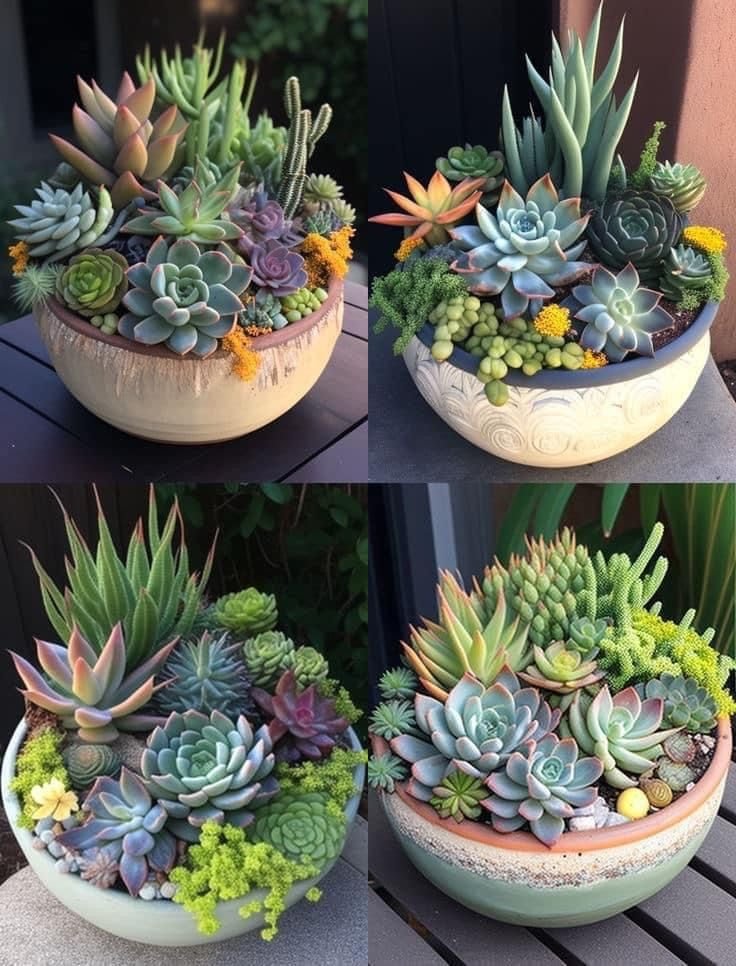
Suçculents are plants that store water in their leaves, stems, or roots. This special ability allows them to survive in harsh, dry conditions where other plants might struggle. Some common suçculents you may recognize include Aloe Vera, Echeveria, Haworthia, Jade Plant, and Sedum.
The word “Suçculent” comes from the Latin word sucus, meaning “juice” or “sap,” which refers to the water stored inside these plants. Their thick, fleshy leaves and stems act as reservoirs, helping them thrive in low-water environments.
The Growth of Suçculents
Understanding how suçculents grow will help you care for them better. Their growth cycle depends on three main factors: light, water, and soil.
a. Light Requirements
Suçculents need plenty of sunlight to grow strong and healthy. Most suçculents prefer bright, indirect sunlight for at least 6 hours a day. Some, like cacti, can tolerate direct sunlight, but others may get sunburned if exposed too harshly.
Signs your suçculent is not getting enough light include:
- Stretched-out stems (etiolation)
- Pale or faded leaves
- Slow growth
b. Watering Patterns
Suçculents are drought-tolerant, meaning they don’t need constant watering. Overwatering is one of the most common reasons suçculents die. A good rule of thumb is “soak and dry”: water thoroughly, then let the soil dry completely before watering again.
Tips for watering suçculents:
- Use a pot with drainage holes to prevent water from pooling at the bottom.
- Water the soil directly rather than spraying leaves.
- Reduce watering during winter, when growth slows down.
c. Soil and Drainage
Suçculents need well-draining soil. Regular garden soil is usually too dense and can cause root rot. A good suçculent soil mix contains sand, perlite, and potting soil in equal parts. Proper drainage is essential because standing water can kill the plant in days.
d. Growth Rate
Suçculents generally grow slowly. Depending on the type, some may grow a few inches per year. However, they can live for many years with proper care. Fast growth may indicate too much water or fertilizer, while stunted growth can be due to low light.
Caring for suçculents
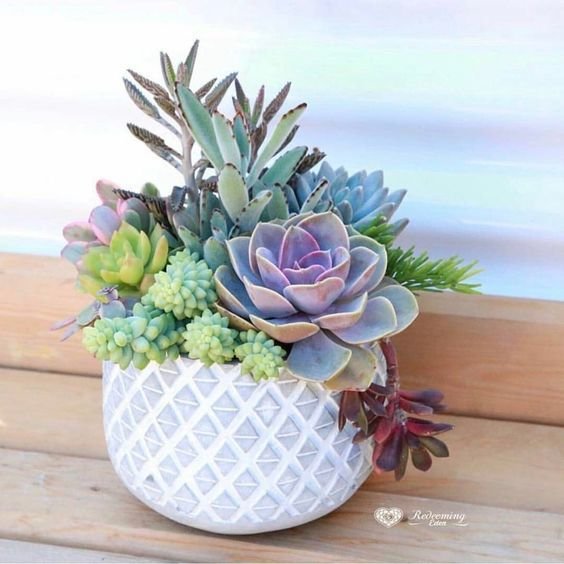
Caring for suçculents is straightforward but requires attention to their unique needs. Here are the key aspects of suçculent care:
a. Temperature
Suçculents are cold-sensitive. Most prefer temperatures between 60°F to 80°F (16°C to 27°C). Some hardy types can tolerate frost, but many tropical suçculents will die if exposed to freezing temperatures.
b. Fertilizing
Suçculents do not need frequent fertilizing. During the growing season (spring and summer), a diluted, balanced fertilizer once a month can boost growth. Avoid fertilizing in fall and winter when the plant is dormant.
c. Pruning and Cleaning
Remove dead leaves to prevent pests and fungal infections. Pruning can also shape your suçculent and encourage new growth. Wipe leaves with a damp cloth to remove dust, which can block sunlight and reduce photosynthesis.
d. Common Problems
Despite their hardy nature, suçculents can face a few problems:
- Overwatering: Mushy leaves, black spots, and rotting roots.
- Underwatering: Wrinkled or shriveled leaves.
- Pests: Mealybugs, spider mites, and aphids. Use insecticidal soap or natural remedies.
- Sunburn: Brown or white patches on leaves due to excessive direct sunlight.
Propagating suçculents
One of the most exciting aspects of suçculents is how easy they are to propagate. Propagation allows you to create new plants from leaves, cuttings, or offsets.
a. Leaf Propagation
- Gently twist a healthy leaf off the stem.
- Let the leaf callus over for a few days in a dry place.
- Place the leaf on well-draining soil, without burying it.
- Mist occasionally until tiny roots and baby plants appear.
b. Stem Cuttings
- Cut a healthy stem with a sharp, clean knife.
- Let it dry for a few days to form a callus.
- Plant the stem in dry, well-draining soil.
- Water lightly until roots establish.
c. Offsets (Pups)
Some suçculents, like Aloe Vera and Haworthia, produce small offshoots called pups. To propagate:
- Gently separate the pup from the mother plant.
- Let it dry for a day or two.
- Plant it in suçculent soil and water sparingly.
Propagation is a rewarding way to expand your suçculent collection or share plants with friends.
Fun Facts About Suçculents
- Suçculents can survive for months without water.
- Some suçculents can live for 50–100 years with proper care.
- Suçculents store water in different ways: some in leaves (Echeveria), some in stems (Cactus), and some in roots (Dudleya).
- Certain suçculents, like Aloe Vera, have medicinal properties.
- Suçculents are excellent air purifiers and can improve indoor air quality.
Decorating with Suçculents
Suçculents is not just hardy—they are beautiful and versatile for decoration. Here are some ideas:
- Terrariums: Small glass containers with pebbles and soil create stunning displays.
- Indoor Pots: Colorful pots brighten up shelves, windowsills, and desks.
- Vertical Gardens: Suçculents can be arranged in frames or wall planters for a living wall.
- Mixed Arrangements: Combine different types, colors, and textures for an artistic look.
Suçculents are perfect for minimalist and modern décor because they require little maintenance but provide a lot of visual appeal.
Seasonal Care
Suçculents have seasonal needs that vary throughout the year:
- Spring & Summer: Growth season. Water more regularly, provide plenty of light, and consider fertilizing.
- Fall: Growth slows. Reduce watering and stop fertilizing.
- Winter: Dormant period. Water very sparingly and keep them in a bright, cool spot.
Adjusting care with the seasons ensures your suçculents stay healthy and thrive year after year.
Suçculent Myths Debunked
- Myth 1: suçculents don’t need water.
Truth: They need water, just not as often as other plants. - Myth 2: suçculents can survive anywhere.
Truth: They still need the right light, soil, and temperature to thrive. - Myth 3: Fertilizing frequently makes them grow faster.
Truth: Over-fertilizing can harm suçculents. A little goes a long way.
Knowing the truth behind these myths will help you care for your plants correctly.
The Joy of Growing Suçculents
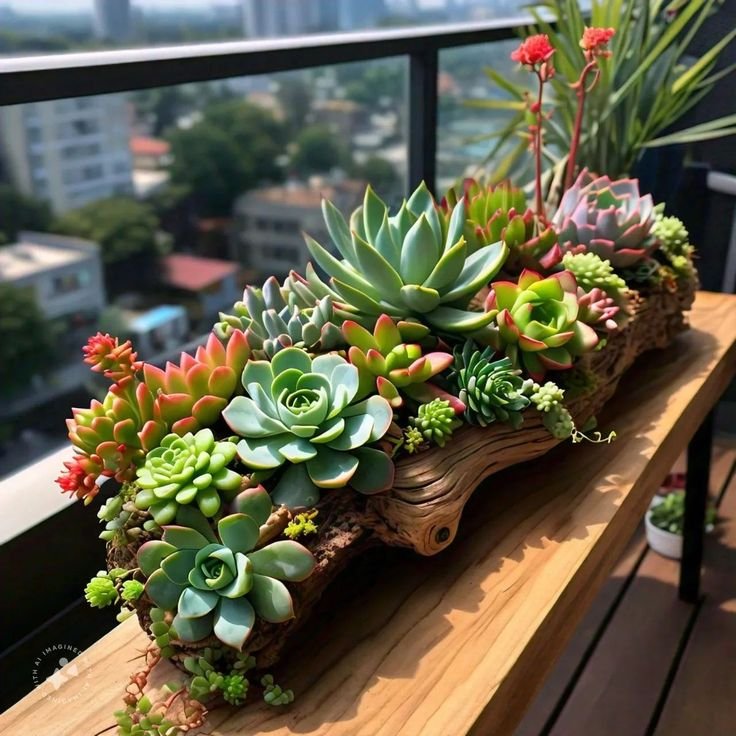
Growing suçculents can be incredibly satisfying. Watching a tiny leaf grow into a full plant, or propagating a new plant from a cutting, creates a sense of accomplishment. suçculents are also perfect for stress relief and mindfulness, as tending to them encourages patience and care.
Whether you live in a city apartment or a countryside home, suçculents can bring life, beauty, and calm to your environment. They are plants that reward attention and curiosity with stunning visual appeal and resilience.
Conclusion
Suçculents may look simple, but they have a secret life full of fascinating adaptations, growth patterns, and propagation methods. With proper light, water, soil, and a little patience, anyone can successfully care for these amazing plants. They are perfect for beginners and experts alike, offering beauty, versatility, and a little green therapy for any space.
By understanding their needs and respecting their natural rhythms, you can enjoy thriving suçculents for years to come—and even share the joy of propagation with friends and family.
FAQs
How often should I water my Suçculent?
Suçculents need the “soak and dry” method. Water thoroughly, then wait until the soil is completely dry before watering again. Depending on your climate and season, this may be once a week in summer or once every few weeks in winter.
Why are my Suçculent leaves turning yellow or mushy?
Yellow or mushy leaves are usually a sign of overwatering. Make sure your pot has drainage holes, use well-draining soil, and let the soil dry completely between waterings.
Can Suçculents grow indoors?
Yes! suçculents thrive indoors if they get enough bright, indirect sunlight. Place them near a south-facing window or use a grow light if natural light is limited.
How do I propagate Suçculents at home?
Suçculents can be propagated through leaves, stem cuttings, or offsets (pups). Let cuttings or leaves callus for a few days, place them on well-draining soil, and lightly water until roots develop.
Why is my Suçculent stretching or growing tall?
This is called etiolation, and it happens when your suçculent isn’t getting enough light. Move your plant to a brighter spot or supplement with a grow light to encourage compact, healthy growth.
Latest Blogs:
| AI Transforming AML |