Digital imaging has never been so advanced. In 2025, media on the internet is dominated by images powered by Artificial Intelligence. Images that appear amazingly real, and sometimes better than photography from professional photographers. The ultra-realistic images are changing the way we view media, entertainment gaming, journalism or even individual content production, transforming the boundaries of expectations and ethics.
The era of photographs is slowly disappearing. Today, companies can produce a real-life persona, an engrossing photography shoot or even an entire marketing campaign without having to hire a makeup artist, photographer, or a studio team. As technology advances this kind of hyper-realistic images are quickly becoming the norm in digital communications.
What Makes Ultra-Realistic AI Images So Convincing?
The ultra-realistic AI visuals are fueled by sophisticated models that can understand facial structure as well as skin texture, lighting shadows, anatomy and emotions. The systems are trained using huge datasets that simulate how light affects skin, how clothes fold and how environmental factors affect the colors.
They’re now able to replicate:
- Human skin and hair in high definition
- Correct lighting and shadows that are accurate
- Textures that resemble glass, fabric, and metal
- Poses and real-life anatomy
- Natural facial expressions
- Cinematic backgrounds and settings
These capabilities enable brands, influencers, creative businesses and individuals to create realistic-looking content with no professional help.
Applications Across Digital Media
A realistic AI images are being accepted by a variety of industries on the internet:
1. Marketing and E-Commerce
Catalog models can be created by brands that are dressed in different fabrics, accessories and colors without the need for physical prototypes. Businesses are currently exploring the use of virtual photography for their products, real body mapping, and personalised model creation that is based on the customer demographics.
2. Gaming and 3D Design
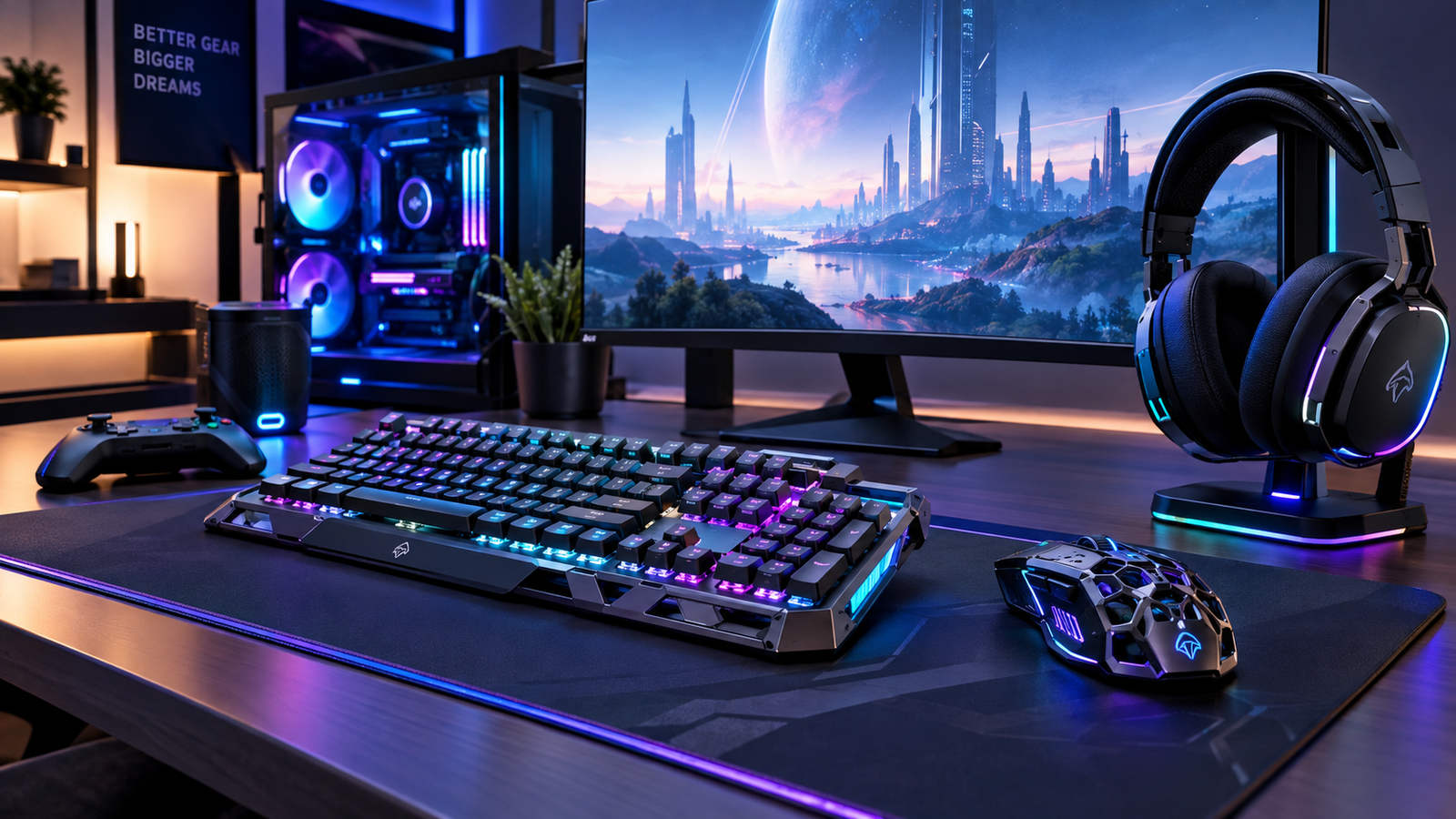
Realistic environments, characters and props add to the immersion. Game creators are using AI-generated models to accelerate design and fill huge worlds and lower the cost of building characters.
3. Film, Animation, and Virtual Production
AI is utilized to generate stunt doubles, actors, or crowd-scenes. This lowers costs for production and allows for more innovative cinematography, without the limitations of location.
4. Personalized Content Creation
Teachers, influencers as well as personal brands are producing high-quality photos to improve visual storytelling and build distinctive online identities.
5. Realistic Human Modeling
Some AI tools specialize in generating lifelike humans for fashion, health imaging simulations, and educational visuals. Certain generators are even optimized for realistic anatomy and skin texture. Platforms categorized as realistic body/skin rendering tools—such as ai clothes changer —demonstrate how advanced this technology has become. These tools showcase the precision of modern AI in replicating human features, highlighting how realistic rendering tech is evolving beyond basic portraits.
Benefits of Ultra-Realistic AI Imagery
1. Lower Production Costs
There is no studio, lighting setup or a professional team are needed. High-quality images can be produced in a matter of only a few minutes.
2. Unlimited Creative Freedom
AI can generate environments that are models, environments, and concepts that are impossible or costly in the real world.
3. Faster Prototyping
Brands can try out a variety of creative campaigns and outfits or characters immediately, with no the expense of a photographer or even material expenses.
4. Personalized Targeting
Online retailers and platforms can develop visuals that cater to the customer’s preferences and needs for diversity, as well as geographical cultures.
5. Increased Accessibility
Small-scale companies, freelancers and content creators can take on corporate production budgets.
Challenges and Ethical Considerations
Although ultra-realistic AI images offer huge potential, it also brings ethical issues that must be addressed.
1. Misleading or Manipulative Content
If AI visuals replace real photography, audiences may question authenticity. Media should make it clear when images are artificially generated to maintain the trust of their viewers.
2. Privacy and Real-Human Imitation Risks
AI imaging tools should avoid reproducing real-life people without their consent. The ethical platforms are now implementing specific policies and creating fake models, instead of replicating faces.
3. Deepfake and Identity Concerns
Ultra-realistic models may be used to create fake personal images as well as exaggerated advertisements or false news stories if they are not controlled carefully.
4. Intellectual Property Issues
Who owns the AI-generated images? The user? The developer? The source for training data? Regulations are constantly changing.
5. Sensitive Content Boundaries
Platforms that specialize in rendering realistic human anatomy, such as those mentioned in Best AI Unclothed Generators–are currently adopting more stringent content safety guidelines. The implementation of consent policies, age protections and ethical limitations highlights the necessity of an ethical use throughout the entire sector.
How Media Can Use AI Visuals Responsibly
For a secure and efficient use, content creators and brands must adopt the best practices for ethical and beneficial use:
- Make sure you disclose AI-generated images
- Avoid replicating real individuals
- Select platforms that place a high value on consent and privacy
- Make use of AI images to increase creativity, but not to mislead
- Use tools to implement ethical guidelines
- Limit the creation of sensitive images to legal use cases
A responsible approach to adoption can help the industry grow in a sustainable, secure direction.
The Future of Digital Imagery
In the next three to five decades, you can anticipate:
- AI that can understand cultural aesthetics better
- Live-action, more realistic motion and generation
- Better regulation of consent and identity
- Frameworks for ethical conduct to avoid the misuse of
- Individualized media where each user is given a distinct visual identity
Artificially-generated images that are ultra-realistic won’t replace creativity, but they will boost the pace of innovation. From conceptual art to branding marketing, AI imagery will empower individuals, not deter professionals. Human creativity is still the driving force behind the direction. AI just makes the execution speedier and more easily accessible.
Final Thoughts
Digital imagery that is ultra-realistic is changing the definition of the world of online media by making top-quality visuals more affordable, adaptable and more creative than ever before. But with this power comes responsibilities. As ethical standards increase and technology advances, particularly in real-time human-like modeling, the digital landscape will evolve towards an environment that is based on the advancement of technology and security.
AI isn’t just changing the way media is displayed and behaves; it is also changing the way we present our identity imagination, creativity, and identity in the digital world.