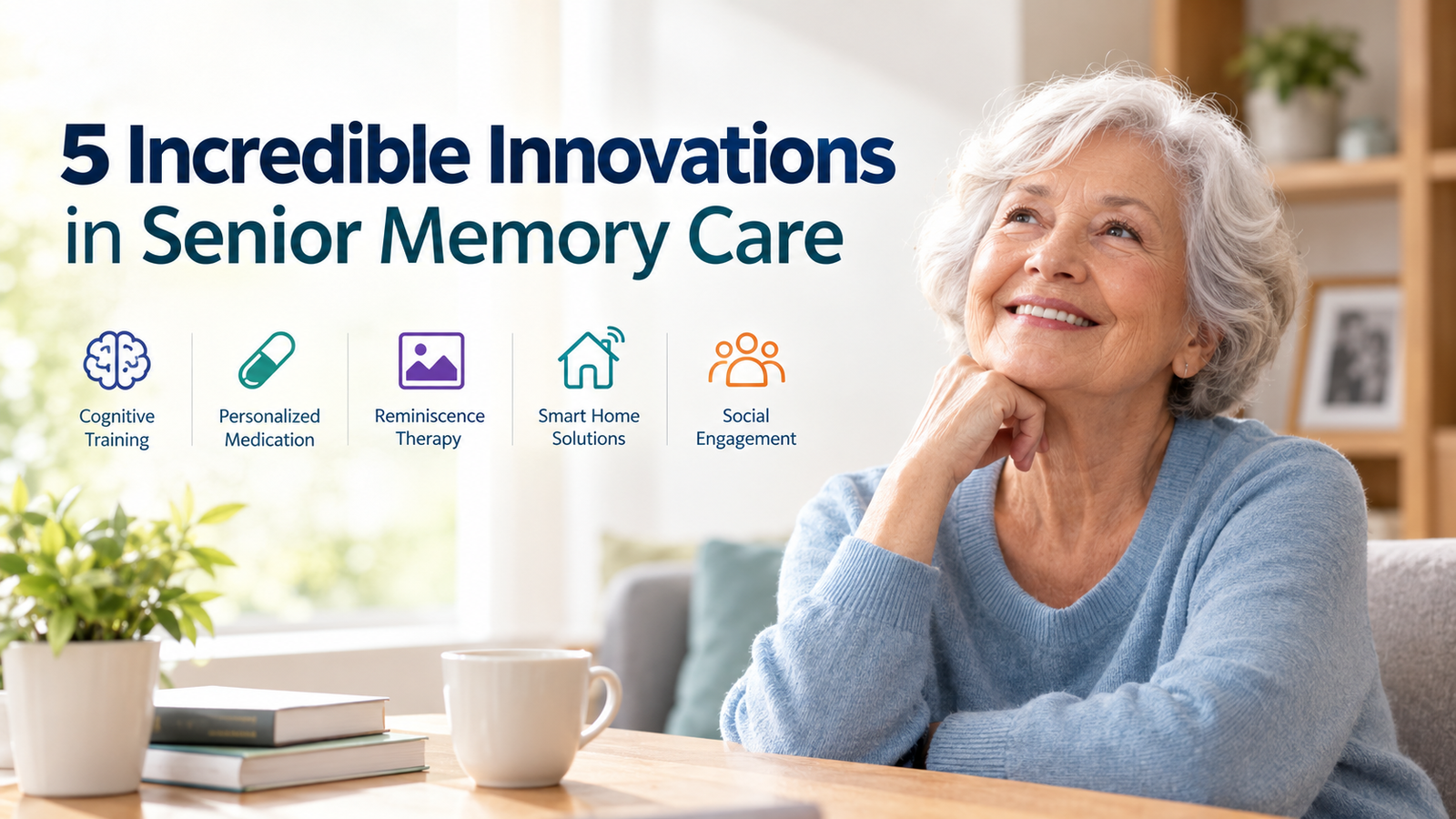
Millions of older adults struggle with memory loss. Yet something real is shifting — technology and new therapeutic models are changing what support actually looks like for seniors with cognitive decline. It’s not incremental. Digital tools, neuroscience-backed interventions, smarter environments — the field has moved fast. And critically, these advances don’t just target the clinical side of memory loss. They reach the emotional and social dimensions too, the parts that quietly determine quality of life. Families who understand what’s out there make better decisions. Seniors stay independent longer.
Technology-Enhanced Cognitive Training
Digital cognitive training has fundamentally changed how memory decline gets managed — and not in a gimmicky way. These platforms use game-based exercises built by neuroscientists to target specific functions: attention, processing speed, working memory. But here’s the key distinction from generic brain games. Evidence-based programs adjust difficulty in real time, based on how the user is actually performing. Too easy? It pushes harder. Struggling? It pulls back. Seniors stay challenged without hitting a wall of frustration. Progress tracking over months — sometimes years — gives seniors and caregivers a real window into what’s changing. Multiple health organizations have found that consistent use can help maintain cognitive function and slow certain aspects of early-stage decline.
Personalized Medication Approaches
Cookie-cutter prescriptions are out. Genetic testing now tells physicians exactly how a particular senior metabolizes a given drug — dosing and medication selection get matched to actual biochemistry, not population averages. Wrong dose? Real consequences. One drug works brilliantly; another causes harm. A therapeutic window might sit far below what standard guidelines assume. It all hinges on genetic variation. Physicians are also running full medication audits — combing through every prescription, pulling anything that quietly chips away at memory function, swapping in alternatives that don’t undercut cognition. Targeted. Specific. Producing fewer adverse reactions than the old one-size-fits-all approach ever managed.
Reminiscence Therapy and Life Review Programs
Here’s a counterintuitive truth: long-term memories frequently stay within reach long after recent ones have slipped. Older recollections are often the last to go. Reminiscence therapy is built entirely around that fact. Trained facilitators walk seniors through their personal histories — structured, intentional sessions that help them build meaning from their own life stories while exercising the memory pathways that still function. Old photographs. A familiar song. Era-specific objects that trigger something deep. A group session featuring music from the 1950s might unlock a flood of stories about events participants haven’t thought about in decades. And it works on two levels at once — cognitive stimulation, yes, but also genuine mood improvement and social connection. That’s why so many memory care facilities have woven reminiscence therapy into daily programming rather than treating it as optional.
Smart Home Technology and Environmental Modifications
Smart home systems aren’t just for tech enthusiasts anymore. They’re being adapted specifically for seniors living with memory impairment. Voice-activated assistants handle medication reminders, appointment alerts, daily task prompts — no manual setup required from the senior. Meanwhile, environmental changes do quiet, steady work: color-coded doorways, strategic lighting, simplified room layouts that reduce confusion and help people navigate spaces they’ve lived in for years. Motion-sensor lighting in bathrooms and hallways cuts fall risk and guides seniors safely through the dark. Some systems go further, monitoring daily activity patterns and alerting caregivers when routines shift — potentially catching a health concern before it becomes a crisis.
Social Engagement and Community-Based Programs
Isolation accelerates cognitive decline. Full stop. That makes social engagement one of the most powerful clinical tools available — not a soft add-on. Community programs designed for seniors with memory concerns combine cognitive exercises, physical movement, and genuine human connection in structured group settings. Compared to seniors living in isolation, participants show better mood, less anxiety, and stronger maintenance of cognitive function. At purpose-built environments such as GLOW® Memory Care in Woodstock, GA, structured social engagement and purposeful daily programming are woven into every aspect of the care model, reflecting current evidence that community connection is a clinical priority, not an amenity. There’s a secondary benefit worth naming: family caregivers get real respite. Knowing a loved one is in professionally guided, genuinely beneficial programming each day matters enormously. The research has accumulated to the point where community-based programming is no longer supplemental — it’s a central pillar of how memory care works.
Conclusion
Senior memory care looks nothing like it did a generation ago. Technology, personalized medicine, therapeutic programming, environmental design — these five categories reflect something important: effective care requires attacking the problem from multiple angles at once. Cognitive, emotional, social, practical. All of it. Research keeps moving. New tools keep emerging. Seniors and families have more options now than ever before, and working with qualified healthcare providers — while staying genuinely informed — opens the door to strategies built around each person’s specific needs rather than a generic template.