
Delta Flight DL275 is a regularly scheduled service operated by Delta Airlines, connecting major U.S. hubs. On its latest journey, the flight gained attention due to an unexpected diversion to Los Angeles International Airport (LAX). The flight typically serves passengers traveling for business or leisure, maintaining high safety and operational standards. Delta Airlines’ commitment to safety ensures that even unexpected incidents are handled with professionalism and care.
On the day of the diversion, Delta Flight DL275 was in mid-flight when the crew identified a situation demanding immediate attention. Although the precise details of the incident were not immediately disclosed, Delta Airlines acted without delay, implementing its established safety protocols. Passengers were kept informed while the crew coordinated with air traffic control and ground operations. These swift actions ensured that all travelers remained secure, and potential operational disruptions were minimized. The airline’s quick response highlights its commitment to safety and professional handling of in-flight emergencies.
Flight Route and Scheduled Itinerary

Delta DL275 follows a defined route connecting its departure airport to its intended destination. Passengers rely on these scheduled routes for planning travel, connecting flights, and coordinating ground transportation. The flight usually maintains consistent departure and arrival times, providing reliability across Delta’s network. Airline schedules are carefully coordinated to meet passenger demand while adhering to air traffic regulations and safety standards.
For this particular journey, the flight was carrying a mix of domestic and international travelers. The itinerary included key waypoints monitored by both Delta Airlines’ operations team and air traffic control, ensuring that any deviations from the planned path could be addressed swiftly. Safety remained the top priority throughout the flight.
Timeline of the LAX Diversion
The sequence of events leading to the LAX diversion began shortly after DL275 reached cruising altitude. Reports indicate that the flight crew identified a technical or medical situation requiring an immediate landing. At this point, Delta Airlines coordinated with air traffic control to find the nearest suitable airport, ultimately deciding on Los Angeles International Airport.
Passengers were informed via the flight crew about the situation, emphasizing that safety measures were in place. The airline maintained communication with authorities to ensure a smooth and controlled descent into LAX, minimizing potential risk. Emergency services were prepared on the ground to assist if necessary.
The aircraft safely landed at LAX, where airport staff guided it to a secure location. Passengers were able to disembark calmly, with Delta Airlines arranging assistance and accommodations as needed. The swift handling of the situation reflects Delta’s preparedness for unexpected events, reinforcing its safety reputation.
Reasons Behind the Emergency Diversion
Diversions like DL275’s are typically triggered by safety-related concerns. In this case, early reports suggest a technical issue or passenger medical emergency prompted the decision. Delta Airlines prioritizes safety over schedules, ensuring that all passengers and crew are protected during unexpected events. Such decisions are made after careful assessment by the flight crew in coordination with the airline’s operations center.
Emergency diversions are standard practice in aviation to prevent potential risks from escalating. By choosing LAX as the diversion point, the crew ensured access to full emergency services and facilities. This proactive approach underscores the airline’s dedication to operational safety and passenger well-being.
Communication from Delta Airlines
Delta Airlines quickly issued statements regarding the diversion of DL275. The airline confirmed that all passengers were safe and that the flight crew followed proper emergency protocols. Clear communication helps reduce passenger anxiety and provides transparency about the incident. Public updates also reinforce Delta’s commitment to safety and professionalism.
The airline maintained contact with passengers and the media throughout the process. Notifications included information about expected delays, assistance with connecting flights, and resources for those affected. By managing communication effectively, Delta Airlines ensured that passengers remained informed and supported during the diversion.
Passenger Experiences During the Diversion
- Calm and Professional Crew: Passengers noted the crew’s reassurance and clear instructions throughout the diversion.
- Safety Announcements: Continuous updates kept travelers informed about the situation and the landing process.
- Medical Assistance: Onboard medical support was available for passengers in need.
- Smooth Disembarkation: The landing and deplaning process at LAX was organized efficiently.
- Support for Connections: Airline staff helped passengers adjust connecting flights impacted by the diversion.
- Positive Feedback: Many passengers praised the crew’s handling of the unexpected event.
Crew Response and Safety Procedures
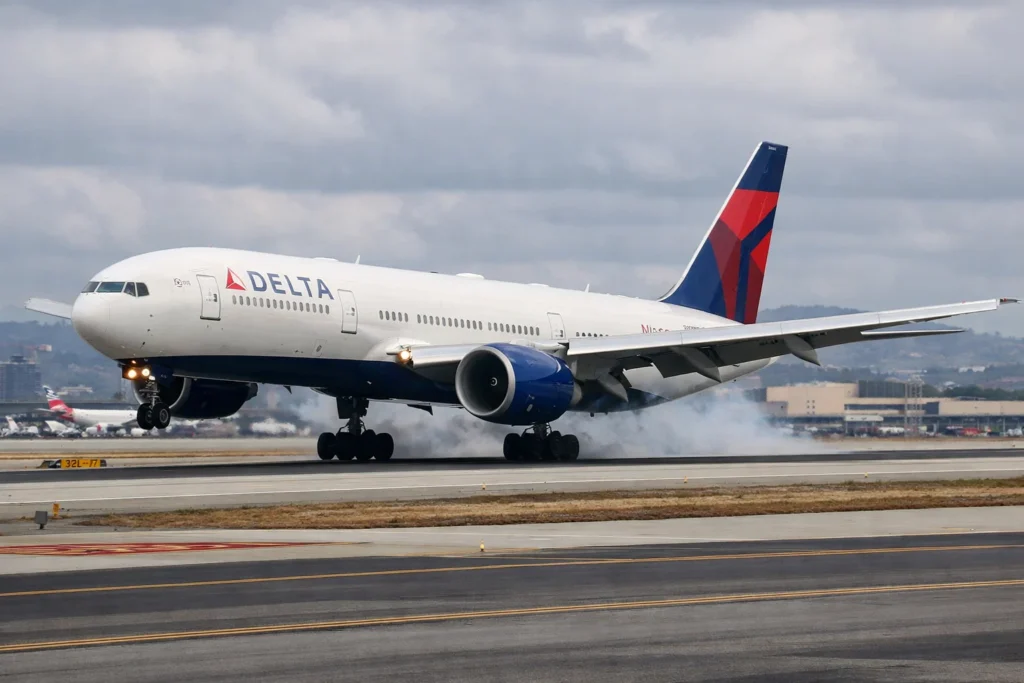
The flight crew of DL275 responded promptly to the emergency, following Delta Airlines’ established safety procedures. Their training ensures that both technical and medical emergencies are handled with precision. The crew coordinates with the airline’s operations team, air traffic control, and airport emergency services to secure the aircraft and passengers.
By prioritizing safety, the crew implemented protocols including altitude adjustments, communication with ground teams, and pre-landing checks. These measures ensure that diversions are executed smoothly, reducing risks and ensuring passenger confidence. Delta Airlines emphasizes continuous crew training to maintain high safety standards across its fleet.
Impact on Connecting Flights and Schedules
The diversion of DL275 inevitably affected subsequent flight schedules. Passengers with connecting flights experienced delays or missed connections, prompting the airline to provide support for rebooking. Delta Airlines has systems in place to minimize disruption, including automatic notifications and dedicated assistance teams.
Airline operations teams coordinated with ground staff to accommodate travelers arriving at LAX unexpectedly. Priority was given to ensuring passengers reached their final destinations with minimal inconvenience. The diversion highlights the importance of contingency planning in airline logistics.
Subsequent flights along similar routes were monitored for potential ripple effects. Adjustments to schedules and gate assignments were made to maintain overall operational efficiency while prioritizing passenger safety and comfort.
Air Traffic Control Role in the Diversion
Air traffic control played a critical role in guiding DL275 safely to LAX. Controllers provided vectors for the quickest and safest route, coordinated emergency landing clearance, and ensured other aircraft were kept at safe distances. Effective communication between the flight crew and controllers minimized risks during the diversion.
Controllers also coordinated emergency services on the ground, preparing for any potential medical or technical issues upon landing. Their collaboration with Delta Airlines ensured a seamless transition from air to ground operations, demonstrating the importance of teamwork in aviation safety.
Aircraft Type and Technical Details
Aircraft Model
DL275 typically operates using a Boeing 737-900, a common aircraft in Delta’s domestic fleet. The plane features advanced avionics, redundant safety systems, and robust performance capabilities, making it suitable for both short and long-haul operations.
Technical Systems Monitored
During flight, multiple systems, including engines, navigation, and environmental controls, are continuously monitored. Any anomalies trigger automatic alerts for the crew, who can then make informed decisions about flight safety. Backup systems allow the aircraft to keep functioning safely even if a single component malfunctions.
Maintenance and Safety Records
Delta Airlines maintains strict maintenance schedules for all aircraft, including the 737 series. Pre-flight inspections, regular maintenance checks, and compliance with FAA regulations ensure aircraft reliability. The technical readiness of DL275 was crucial in handling the emergency diversion effectively, preventing escalation of the issue.
Airport Operations During Emergency Landings
Airports play a critical role during emergency landings, ensuring that diverted flights are accommodated safely and efficiently. When DL275 was diverted to LAX, airport operations teams coordinated with air traffic control, ground services, and emergency responders to manage the situation. Specialized personnel are prepared to handle potential medical emergencies, technical inspections, and passenger assistance, ensuring a controlled and secure environment for both the aircraft and travelers.
The airport’s emergency protocols include prioritizing runway access, directing the aircraft to a secure gate, and mobilizing support teams to assess and respond to the incident. Efficient coordination between all departments minimizes risks and maintains normal airport operations while addressing the emergency promptly.
Safety Protocols for Emergency Diversions
Airlines follow strict safety protocols when a flight diversion is necessary. For DL275, the flight crew first assessed the situation and determined the safest course of action. Diversions are executed only after careful evaluation, ensuring that both passengers and crew remain protected. Delta Airlines’ protocols emphasize immediate communication, in-flight safety checks, and coordination with air traffic control to secure the nearest suitable airport.
Once the decision is made, the crew implements standardized procedures such as notifying passengers, adjusting altitude, and preparing the aircraft for an emergency landing. Ground teams are alerted simultaneously to provide support upon arrival. These measures prevent the escalation of technical or medical issues during the flight.
After landing, post-landing protocols ensure passenger welfare and aircraft safety. Medical teams, maintenance crews, and airline staff assess the situation, offer assistance, and provide guidance for onward travel. These safety systems highlight the comprehensive planning behind every diversion, demonstrating the airline’s commitment to protecting lives and maintaining operational integrity.
Media Coverage and Public Reactions
The diversion of DL275 to LAX drew significant media attention, with news outlets reporting on the incident as it unfolded. Coverage focused on passenger safety, the airline’s response, and the flight crew’s professionalism. Social media also played a role, as passengers shared their experiences and updates in real time, providing insight into the events on board.
Public reaction was largely supportive, with many praising Delta Airlines for handling the emergency efficiently. Observers noted the importance of swift communication and the effectiveness of emergency procedures. The incident highlighted the airline’s ability to manage unexpected situations while maintaining passenger confidence and operational safety.
Conclusion
The diversion of Delta Flight DL275 to LAX underscores the critical importance of airline preparedness, crew training, and coordinated emergency response. Passengers witnessed how effective communication, strict safety protocols, and collaboration with air traffic control can manage unexpected in-flight situations with minimal risk. The incident also highlights the vital role of airport operations and ground support in ensuring passenger safety during emergencies. While flight diversions can cause delays and disruptions, the professional handling of DL275 demonstrates that prioritizing safety above all else is essential. This event reinforces confidence in Delta Airlines’ ability to respond swiftly and effectively to unforeseen circumstances.
FAQs
Reason Behind DL275’s Emergency Diversion
Delta Flight DL275 was rerouted to LAX after a technical or medical situation arose onboard. The flight crew acted immediately, following established safety protocols to protect passengers and crew. Emergency procedures were implemented efficiently, ensuring the aircraft could land safely while minimizing risk and maintaining calm in the cabin.
Were all passengers safe during the diversion?
Yes. All passengers and crew were safely secured throughout the flight. The crew provided updates, and emergency services at LAX were prepared to assist if needed.
How does a flight diversion affect connecting flights?
Passengers with connecting flights may experience delays or missed connections. Airlines typically assist with rebooking and provide accommodations or alternate travel arrangements.
What role does air traffic control play in diversions?
Air traffic control coordinates the safest route, provides landing clearance, and ensures other aircraft remain at safe distances. They also coordinate ground emergency services for the diverted flight.
Does a diversion affect airline safety ratings?
No. Diversions are standard safety measures. Handling them efficiently demonstrates an airline’s commitment to passenger safety and proper emergency protocols, maintaining overall safety standards.