The digital world continues to evolve at an incredible pace, introducing new concepts, platforms, and technologies that influence how people interact, communicate, and grow online. Among the emerging terms gaining attention, Fanquer has started to spark curiosity among businesses, entrepreneurs, technology enthusiasts, and digital communities. Although many people are still exploring its meaning, Fanquer is increasingly being associated with innovation, digital engagement, and modern growth strategies that help organizations adapt to changing market demands.
As businesses compete to provide better experiences and create stronger connections with their audiences, concepts like Fanquer are becoming more relevant than ever. Rather than focusing on a single technology or platform, Fanquer represents a broader approach to innovation, efficiency, and user-focused development. Understanding how Fanquer works, why it is attracting attention, and how it can influence future growth can provide valuable insights for anyone interested in the future of digital transformation.
What Is Fanquer and Why Is It Gaining Attention?
Fanquer is often described as a modern digital concept that combines innovation, adaptability, and user-centered thinking. While the term may carry different meanings depending on the industry or context in which it is used, it generally reflects the idea of creating smarter, more effective solutions that improve experiences for both organizations and users. In a world where technology changes rapidly, Fanquer represents a mindset focused on progress, flexibility, and continuous improvement.
The growing attention surrounding Fanquer is largely connected to the increasing demand for better digital experiences. Consumers expect websites, applications, and services to be faster, simpler, and more personalized than ever before. Businesses are therefore searching for new approaches that help them meet these expectations while remaining competitive. Fanquer aligns with this goal by encouraging organizations to embrace innovation and focus on long-term value creation.
Another reason for its rising popularity is the shift toward connected digital ecosystems. Modern organizations no longer operate in isolation. They rely on data, cloud technologies, mobile solutions, and digital communication tools to engage audiences and improve operations. Fanquer fits naturally into this environment because it promotes solutions that are flexible, scalable, and capable of adapting to changing user needs.
The Evolution of Fanquer in the Digital World
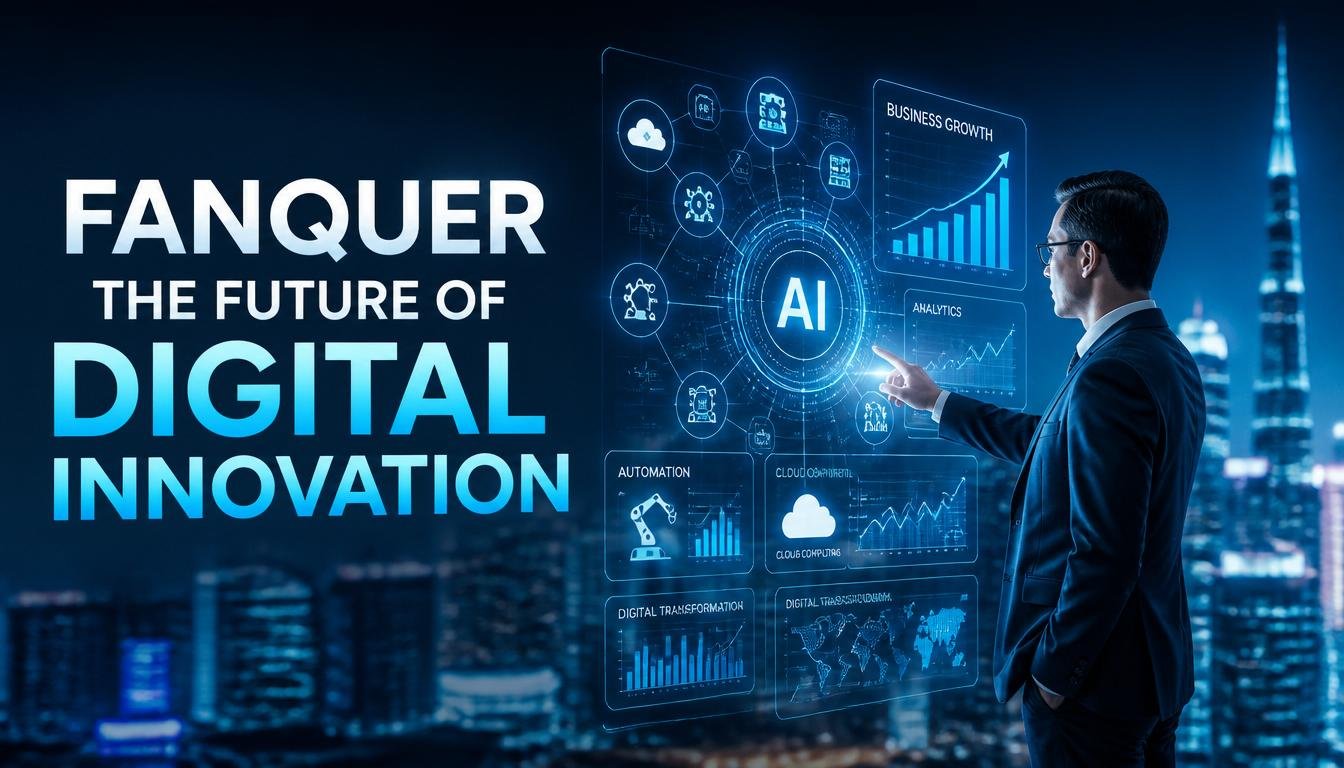
The digital landscape has undergone a significant transformation over the past decade. Businesses that once relied on traditional processes are now integrating advanced technologies into almost every aspect of their operations. During this transformation, concepts focused on innovation and adaptability have become increasingly valuable. Fanquer emerged as part of this broader movement toward smarter digital solutions and more efficient ways of working.
In the early stages of digital transformation, many organizations focused primarily on adopting technology. However, simply implementing new tools was not enough to achieve sustainable success. Businesses soon realized that technology needed to be combined with strategic thinking, user experience, and continuous improvement. Fanquer reflects this evolution by emphasizing the importance of balancing innovation with practical value.
Today, organizations operate in highly competitive environments where customer expectations continue to rise. Digital experiences have become a key factor influencing purchasing decisions, brand loyalty, and long-term growth. As a result, Fanquer has evolved into a concept that supports organizations in creating meaningful, efficient, and engaging experiences that deliver measurable results.
Key Features That Define Fanquer
One of the most important characteristics of Fanquer is its strong focus on innovation. Rather than relying on outdated methods, Fanquer encourages organizations to explore new ideas, technologies, and processes that improve efficiency and create better outcomes. This commitment to innovation helps businesses remain competitive in rapidly changing markets.
Flexibility is another defining feature. Market conditions, consumer behaviors, and technological capabilities can change quickly. Fanquer promotes adaptability, allowing organizations to adjust strategies and operations without losing momentum. This flexibility is particularly valuable for businesses operating in dynamic industries where change is constant.
A strong emphasis on user experience also distinguishes Fanquer from traditional approaches. Modern consumers value convenience, simplicity, and personalization. Fanquer encourages organizations to place users at the center of decision-making processes, ensuring that products, services, and digital experiences meet real-world needs. This user-focused approach often leads to higher satisfaction levels and stronger customer relationships.
How Fanquer Enhances User Experience
User experience has become one of the most important factors determining the success of digital products and services. Whether someone is visiting a website, using a mobile application, or interacting with an online platform, their experience influences how they perceive a brand. Fanquer contributes to improved user experiences by encouraging organizations to prioritize accessibility, usability, and engagement.
A major advantage of Fanquer is its focus on simplifying complex processes. Users appreciate solutions that save time and reduce frustration. By streamlining interactions and eliminating unnecessary obstacles, organizations can create smoother experiences that encourage continued engagement. This can lead to higher retention rates and increased customer satisfaction.
Personalization also plays an important role in the Fanquer approach. Modern users expect experiences tailored to their preferences and behaviors. Through data analysis and customer insights, organizations can create more relevant interactions that make users feel valued. This personalized approach strengthens relationships and helps build long-term trust between businesses and their audiences.
The Role of Fanquer in Digital Innovation
Digital innovation is no longer limited to large technology companies. Today, organizations of every size are searching for ways to improve operations, strengthen customer relationships, and create better experiences. Fanquer plays an important role in this process because it encourages businesses to think beyond traditional methods and embrace new opportunities. Instead of focusing solely on technology, Fanquer promotes a mindset that values continuous improvement, experimentation, and adaptability.
One reason Fanquer is closely connected to innovation is its ability to support change in rapidly evolving environments. Consumer expectations, market trends, and digital tools continue to shift, making flexibility essential for success. Organizations that follow Fanquer-inspired strategies are often more willing to explore creative solutions and implement technologies that improve performance. This willingness to adapt can help businesses remain competitive while responding effectively to new challenges.
Another important aspect of Fanquer is its focus on creating practical value. Innovation is not simply about introducing something new; it is about solving problems and delivering meaningful benefits. Whether through improved digital experiences, streamlined workflows, or enhanced customer engagement, Fanquer encourages organizations to use innovation as a tool for achieving measurable results.
Why Businesses Are Adopting Fanquer
Businesses today operate in an environment where competition is stronger than ever. Customers have access to countless options, and their expectations continue to rise. As a result, companies must constantly find ways to differentiate themselves and deliver superior value. Fanquer has gained attention because it provides a framework that supports growth, efficiency, and innovation while helping organizations stay relevant in changing markets.
One major reason businesses are adopting Fanquer is the need for greater operational efficiency. Many organizations struggle with outdated systems, complex processes, and limited flexibility. Fanquer encourages businesses to identify inefficiencies and implement smarter solutions that improve productivity. By reducing unnecessary complexity, companies can focus more resources on growth and customer satisfaction.
Businesses are also attracted to Fanquer because it promotes long-term sustainability. Instead of chasing short-term trends, organizations can develop strategies that support continuous improvement and future growth. This approach helps companies remain resilient even when market conditions change. By building a culture of innovation and adaptability, businesses can create stronger foundations for long-term success.
Another benefit is the ability to strengthen customer relationships. Modern consumers value brands that understand their needs and provide meaningful experiences. Fanquer encourages organizations to listen to customer feedback, analyze user behavior, and continuously improve services. This customer-focused mindset often leads to increased loyalty and stronger brand reputation.
Fanquer and Modern Marketing Strategies
Marketing has changed dramatically over the years. Traditional advertising methods are no longer enough to capture attention in crowded digital spaces. Businesses must now focus on creating valuable experiences, building trust, and engaging audiences across multiple platforms. Fanquer aligns closely with these modern marketing principles, making it a valuable concept for brands seeking stronger connections with customers.
One of the key ways Fanquer influences marketing is through personalization. Consumers are more likely to engage with content and offers that feel relevant to their interests and preferences. Businesses can use customer insights and behavioral data to create targeted experiences that resonate with specific audiences. This personalized approach not only improves engagement but also increases the likelihood of conversions and repeat interactions.
Content creation also benefits from Fanquer-inspired thinking. Instead of producing generic content, organizations can focus on delivering information that solves problems and provides genuine value. Educational articles, interactive experiences, and engaging digital content help build credibility while strengthening relationships with audiences. As consumers become more selective about the content they consume, quality and relevance become increasingly important.
Another important element is community engagement. Successful brands are no longer simply broadcasting messages; they are creating conversations. Fanquer encourages businesses to interact with audiences, gather feedback, and build meaningful relationships. This two-way communication helps organizations better understand customer needs while fostering trust and loyalty over time.
How Startups and Entrepreneurs Can Benefit From Fanquer
Startups often face unique challenges as they work to establish themselves in competitive markets. Limited resources, changing customer demands, and intense competition require innovative thinking and strategic decision-making. Fanquer offers valuable principles that can help entrepreneurs navigate these challenges while building sustainable businesses.
One significant advantage for startups is flexibility. New businesses frequently need to adapt their products, services, or strategies based on market feedback. Fanquer encourages an agile approach that allows entrepreneurs to make adjustments quickly without losing focus on long-term objectives. This adaptability can be critical during the early stages of growth when conditions may change rapidly.
Fanquer also supports efficient resource management. Startups often operate with limited budgets and small teams, making efficiency essential. By focusing on streamlined processes and practical solutions, entrepreneurs can maximize the impact of available resources. This helps businesses grow without unnecessary expenses or operational complexity.
Innovation is another area where startups can benefit significantly. Many successful startups achieve growth by introducing new ideas or improving existing solutions. Fanquer encourages experimentation and creative problem-solving, allowing entrepreneurs to identify opportunities that others may overlook. By continuously exploring better ways to serve customers, startups can establish strong competitive advantages and accelerate growth.
Fanquer’s Impact on Online Communities and Engagement
Online communities have become a powerful force in the digital world. People gather on forums, social platforms, and digital networks to share experiences, exchange knowledge, and connect with others who have similar interests. Fanquer supports the development of stronger online communities by encouraging engagement, collaboration, and meaningful interactions between users.
One reason online communities thrive under Fanquer principles is the emphasis on participation. Successful communities are built around active engagement rather than passive consumption. Users want opportunities to contribute, ask questions, and share their perspectives. Fanquer promotes platforms and experiences that encourage this level of involvement, creating stronger connections among community members.
Trust also plays an essential role in community growth. People are more likely to engage with platforms that provide transparency, reliability, and positive experiences. Fanquer encourages organizations to prioritize user needs and create environments where individuals feel valued and respected. As trust grows, communities become more active, supportive, and influential.
The impact of strong communities extends beyond engagement alone. Businesses can gain valuable insights by listening to conversations within their communities. Feedback, suggestions, and user-generated content can help organizations improve products and services while identifying emerging trends. Fanquer recognizes the importance of these interactions and supports strategies that strengthen relationships between brands and their audiences.
As digital communication continues to evolve, online communities are expected to become even more influential. Organizations that embrace Fanquer principles can create engaging environments that encourage collaboration, build loyalty, and foster meaningful connections. These communities often become valuable assets that contribute to long-term growth and sustained success.
Challenges and Limitations of Fanquer
While Fanquer offers many advantages, organizations may encounter several challenges when attempting to implement its principles. Like any modern digital approach, success requires careful planning, commitment, and a willingness to adapt to changing circumstances. Businesses that fail to prepare for these challenges may struggle to achieve the desired results.
One common obstacle is resistance to change. Employees and leadership teams often become comfortable with existing systems and processes. Introducing new strategies, technologies, or workflows can create uncertainty and hesitation. Without proper communication and training, organizations may face difficulties gaining support for Fanquer-related initiatives. Building a culture that embraces learning and innovation is essential for overcoming this challenge.
Another limitation involves resource requirements. Although Fanquer focuses on efficiency and growth, implementation often requires investments in technology, training, and infrastructure. Smaller organizations may find it challenging to allocate the necessary resources, particularly during the early stages. However, businesses that approach implementation gradually can often achieve meaningful progress without overwhelming their budgets.
Security and privacy concerns also deserve attention. As digital ecosystems become more interconnected, protecting user information and maintaining trust become increasingly important. Organizations must ensure that new systems and processes include strong security measures. Failure to address cybersecurity risks can undermine the benefits associated with innovation and digital transformation.
Best Practices for Using Fanquer Effectively
Organizations interested in maximizing the benefits of Fanquer should focus on developing a clear strategy before implementing new initiatives. Success rarely comes from adopting technology alone. Instead, businesses must understand their goals, identify opportunities for improvement, and create a roadmap that aligns with their long-term objectives.
A customer-focused approach is one of the most effective ways to apply Fanquer principles. Understanding customer needs, preferences, and expectations allows organizations to create experiences that deliver genuine value. Businesses that consistently listen to feedback and respond to changing demands are more likely to build lasting relationships and maintain a competitive advantage.
Continuous learning is another important factor. Digital environments evolve rapidly, making it essential for organizations to stay informed about new trends, tools, and opportunities. Encouraging employees to develop new skills and embrace innovation helps create a culture that supports growth and adaptability. This mindset ensures that businesses remain prepared for future challenges and opportunities.
Data-driven decision-making also plays a significant role in successful implementation. Organizations generate large amounts of information through customer interactions, operational activities, and digital platforms. By analyzing this data, businesses can identify patterns, measure performance, and make informed decisions that support long-term growth. Fanquer encourages the use of insights rather than assumptions when developing strategies and evaluating outcomes.
Future Growth Opportunities for Fanquer
The future potential of Fanquer appears highly promising as organizations continue to embrace digital transformation and innovation. New technologies, evolving consumer behaviors, and increasing connectivity are creating opportunities for concepts like Fanquer to become even more influential across industries.
One area of growth involves intelligent automation. Businesses are increasingly looking for ways to streamline operations and improve efficiency. Fanquer supports this trend by encouraging solutions that reduce manual effort while maintaining high levels of accuracy and performance. As automation capabilities continue to advance, organizations may discover new opportunities to optimize workflows and improve customer experiences.
The expansion of digital services also creates significant opportunities. Consumers now rely on digital platforms for communication, shopping, education, entertainment, and professional collaboration. Fanquer aligns with this shift by promoting experiences that are accessible, user-friendly, and adaptable to changing needs. Businesses that invest in digital innovation are likely to benefit from growing demand for seamless online interactions.
Global connectivity is another factor contributing to future growth. Organizations can now reach audiences across geographic boundaries more easily than ever before. Fanquer encourages scalable solutions that support expansion while maintaining quality and consistency. This ability to connect with broader markets may create new opportunities for growth, collaboration, and innovation.
As emerging technologies continue to evolve, the possibilities associated with Fanquer are expected to expand further. Organizations that remain open to experimentation and continuous improvement will be well-positioned to capitalize on future developments and maintain a competitive advantage.
Why Fanquer Is Shaping the Future of Digital Transformation
Digital transformation has become a priority for organizations seeking to remain relevant in competitive markets. However, successful transformation requires more than adopting new technologies. It involves changing how businesses think, operate, and engage with customers. Fanquer contributes to this process by encouraging a balanced approach that combines innovation, adaptability, and user-centered design.
One reason Fanquer is shaping digital transformation is its emphasis on flexibility. Traditional business models often struggle to keep pace with rapid technological change. Fanquer encourages organizations to remain agile and responsive, allowing them to adapt quickly when new opportunities or challenges emerge. This flexibility is becoming increasingly important as industries continue to evolve.
Another important contribution is the focus on meaningful experiences. Technology alone does not guarantee success. Businesses must ensure that digital solutions provide real value to users. Fanquer promotes the development of products, services, and experiences that address genuine needs while improving convenience, accessibility, and satisfaction. This user-focused perspective helps organizations create stronger relationships with customers and stakeholders.
Fanquer also encourages long-term thinking. Rather than pursuing temporary trends, organizations can build strategies that support sustainable growth and continuous improvement. By fostering innovation and resilience, Fanquer helps businesses prepare for future developments while maintaining a strong foundation for success. This combination of adaptability and strategic thinking makes it an important concept in the ongoing evolution of digital transformation.
Conclusion
Fanquer represents a modern approach to innovation, growth, and digital progress. By emphasizing adaptability, user experience, efficiency, and continuous improvement, it provides organizations with a valuable framework for navigating an increasingly competitive digital environment. Whether used by startups, established businesses, marketers, or online communities, Fanquer encourages smarter strategies that create meaningful value and support long-term success. As technology continues to evolve and consumer expectations rise, the influence of Fanquer is likely to expand, making it an important concept for anyone seeking to understand the future of digital transformation and sustainable growth.
FAQs
What is Fanquer?
Fanquer is a modern digital concept associated with innovation, adaptability, user-focused experiences, and business growth. It encourages organizations to embrace change and develop smarter solutions that improve efficiency and engagement.
Why is Fanquer becoming popular?
Fanquer is gaining attention because businesses and individuals are looking for better ways to adapt to changing technologies and customer expectations. Its focus on innovation and flexibility makes it relevant across multiple industries.
How can businesses benefit from Fanquer?
Businesses can use Fanquer principles to improve productivity, strengthen customer relationships, encourage innovation, and create sustainable growth strategies that support long-term success.
Is Fanquer useful for startups?
Yes, startups can benefit significantly from Fanquer because it promotes flexibility, efficient resource management, creative problem-solving, and continuous improvement, all of which are important during the early stages of business growth.
What is the future of Fanquer?
The future of Fanquer appears promising as digital transformation continues to accelerate. Growing adoption of automation, advanced analytics, connected technologies, and user-focused solutions is expected to increase its relevance and influence across industries.