
In the modern world, technology is evolving at a rapid pace, reshaping how humans live, work, and interact with machines. One of the most significant developments in this transformation is robotics. Within this broad field, the idea of Ponas Robotas represents a conceptual shift toward smarter, more adaptive, and highly efficient robotic systems. It symbolizes the rise of intelligent machines that are not only programmed to perform tasks but also capable of learning, adjusting, and improving their performance over time.
Smart robotics is no longer a futuristic dream; it is becoming a core part of industries, homes, healthcare, education, and even entertainment. Ponas Robotas reflects this evolution where machines are designed to work closely with humans, enhancing productivity while reducing effort and error.
Understanding the Concept of Ponas Robotas
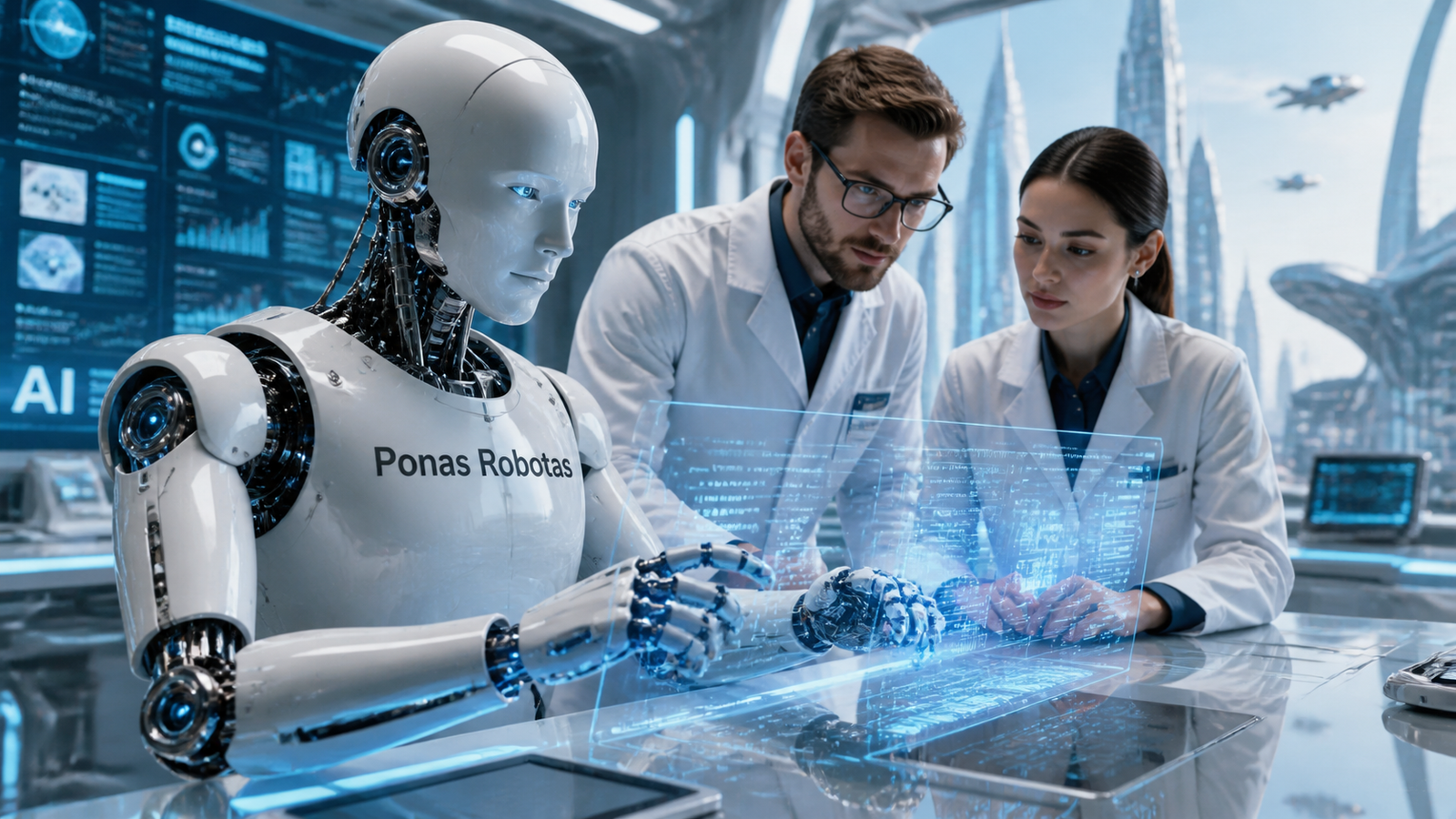
The idea of Ponas Robotas can be understood as a symbol of advanced robotics integrated with artificial intelligence and automation technologies. Unlike traditional machines that follow fixed instructions, smart robotics systems are built to analyze data, respond to environments, and make decisions based on real-time information.
This shift represents a move from simple mechanical automation to intelligent systems capable of reasoning. In practical terms, it means robots can now perform tasks such as recognizing objects, navigating environments, communicating with humans, and even predicting outcomes based on patterns.
Ponas Robotas represents this transformation where robotics is no longer limited to factories or laboratories but is entering everyday life in meaningful ways.
📌You might also like: Repmold
The Evolution of Robotics into Smart Systems
Robotics has undergone a long journey from basic mechanical arms to highly advanced intelligent systems. Early robots were designed for repetitive industrial tasks such as assembling products or welding parts in factories. These machines were efficient but lacked flexibility.
With the introduction of computing power and artificial intelligence, robotics began to evolve. Machines started to gain the ability to process information and respond to changes. This marked the beginning of smart robotics.
Ponas Robotas reflects this evolution, where robotics is now deeply connected with machine learning, sensor technology, and cloud computing. These technologies allow robots to become more aware of their surroundings and improve their performance over time.
Role of Artificial Intelligence in Smart Robotics
Artificial intelligence plays a central role in the development of Ponas Robotas. Without AI, robots would remain limited to pre-programmed instructions. AI allows machines to learn from experience, adapt to new situations, and make intelligent decisions.
Through technologies like computer vision, natural language processing, and neural networks, robots can now see, hear, and understand their environment in a more human-like way. This makes them highly effective in complex tasks that require adaptability.
For example, in manufacturing, AI-powered robots can detect defects in products more accurately than human inspection. In healthcare, robotic systems can assist doctors by analyzing medical data and suggesting possible diagnoses.
📌You might also like: Affordable Dynamics 365 CRM
Applications of Smart Robotics in Daily Life
The influence of Ponas Robotas is not limited to industries; it is increasingly visible in everyday life. Smart robotics is now being used in homes, schools, hospitals, and public spaces.
In households, robotic vacuum cleaners and smart assistants help reduce daily workload. These devices learn user preferences and operate autonomously, making life more convenient.
In education, robotic systems are being used to create interactive learning environments. Students can engage with robots to understand complex concepts in science and technology in a more practical way.
In healthcare, robotic surgery systems allow for highly precise operations, reducing risks and improving recovery times. Similarly, rehabilitation robots assist patients in physical therapy by guiding movement and tracking progress.
Industrial Transformation Through Robotics
One of the most significant impacts of Ponas Robotas is seen in industrial automation. Factories around the world are adopting smart robotic systems to improve efficiency, reduce costs, and increase production quality.
Unlike traditional assembly lines, modern robotic systems can adapt to different tasks without requiring complete reprogramming. This flexibility allows industries to respond quickly to changing market demands.
Additionally, robots can operate continuously without fatigue, ensuring consistent output. This has transformed industries such as automotive manufacturing, electronics, and logistics.
Human and Robot Collaboration
A key feature of Ponas Robotas is its focus on human-centered technology. Instead of replacing humans entirely, smart robotics is designed to work alongside people.
This collaboration is known as “human-robot interaction,” where machines assist humans in performing complex or physically demanding tasks. For example, in warehouses, robots help workers by carrying heavy loads, while humans focus on decision-making and supervision.
This partnership increases productivity while also improving workplace safety. Robots handle dangerous tasks, reducing the risk of injury for human workers.
📌You might also like: Docker Manager Simplifies Container Deployment
Ethical and Social Considerations
As smart robotics becomes more advanced, it also raises important ethical and social questions. One major concern is the impact on employment. As robots take over repetitive tasks, some jobs may become less in demand.
However, at the same time, new job opportunities are created in robotics maintenance, programming, and AI development. This shift requires society to adapt by focusing on education and skill development.
Another concern is data privacy. Since smart robots often collect and analyze data, ensuring that this information is protected is essential. Responsible use of robotics technology is necessary to maintain trust and safety.
Future of Ponas Robotas
The future of Ponas Robotas is highly promising. As technology continues to advance, robots are expected to become even more intelligent, autonomous, and human-like in behavior.
Future robotic systems may be able to understand emotions, communicate naturally with humans, and perform highly complex tasks without supervision. Integration with technologies like quantum computing and advanced neural networks could further enhance their capabilities.
Smart cities of the future may rely heavily on robotic systems for transportation, security, waste management, and infrastructure maintenance. This will create more efficient and sustainable living environments.
Challenges in Smart Robotics Development
Despite rapid progress, there are still challenges in the field of smart robotics. One major challenge is the high cost of development and implementation. Advanced robotic systems require significant investment in research, hardware, and software.
Another challenge is technical limitation. While robots are becoming smarter, they still struggle with tasks that require deep emotional understanding or human intuition.
There is also the challenge of regulation. Governments and organizations need to develop clear policies to ensure that robotics technology is used responsibly and safely.
📌You might also like: Equipment or Environment?
Conclusion
Ponas Robotas represents the rise of a new technological era where robotics and artificial intelligence come together to create intelligent, adaptive, and highly efficient systems. From industries to homes, its influence is growing rapidly, transforming how humans interact with machines.
While challenges remain, the potential benefits of smart robotics are enormous. It has the power to improve productivity, enhance safety, and simplify daily life. As technology continues to evolve, Ponas Robotas will likely play a central role in shaping the future of human civilization.
FAQs
What is Ponas Robotas?
Ponas Robotas refers to the concept of smart robotics that combines artificial intelligence and automation to create intelligent machines capable of learning, adapting, and performing tasks efficiently.
How is Ponas Robotas different from traditional robotics?
Traditional robots follow fixed instructions, while Ponas Robotas represents smart robotics that can analyze data, make decisions, and improve performance over time using AI technologies.
Where are Ponas Robotas used in real life?
It is used in many fields such as healthcare, manufacturing, education, home automation, and logistics, where robots assist humans and improve efficiency.
Does Ponas Robotas replace human jobs?
Not completely. While it can automate repetitive tasks, it also creates new job opportunities in areas like robotics engineering, AI development, and system maintenance.
What is the future of Ponas Robotas?
The future is very promising, with robots expected to become more intelligent, interactive, and widely used in smart cities, healthcare systems, and daily life applications.