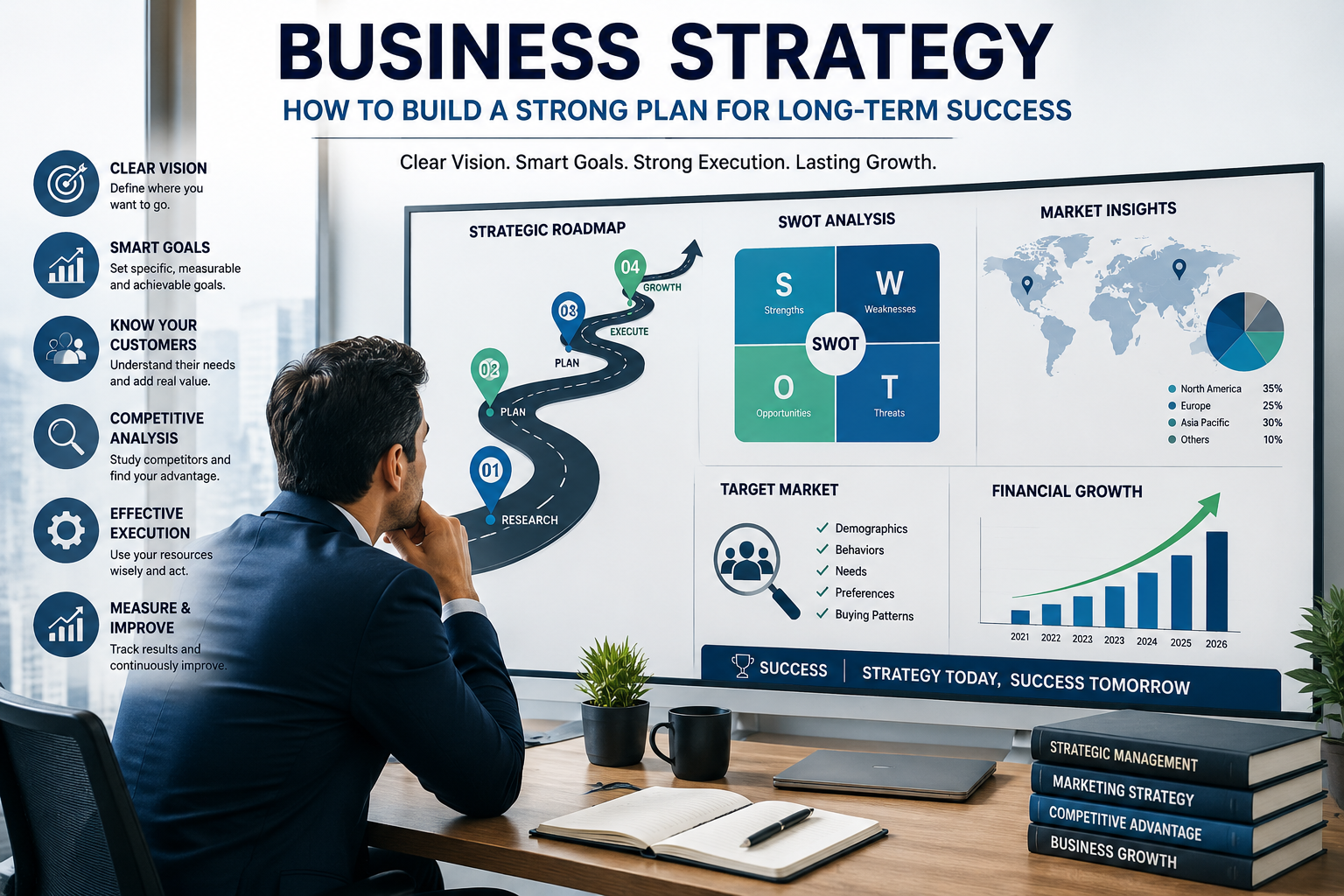
The right accounting platform makes bookkeeping easier by automating manual data entry, syncing live bank feeds, and tracking cash flow in real time. It simplifies VAT compliance, catches entry errors automatically, offers secure cloud access from anywhere, and generates custom financial reports in seconds, saving business owners hours of tedious admin work.
Key Takeaways
- Automates Manual Admin: Pulls data straight from receipts and bank feeds, cutting manual entry down to minutes.
- Ensures Accuracy & Compliance: Uses built-in VAT rules and smart error detection to prevent costly compliance mistakes.
- Delivers Real-Time Visibility: Cloud-based dashboards update cash flow, profit, and expenses as they happen.
- Saves Hours on Reporting: Generates instant, reusable financial reports for investors, banks, and auditors.
Running a business is a tricky task. This means constantly juggling invoices, VAT returns, and cash flow. This is a sad reality that turns many founders into reluctant, part-time bookkeepers.
Well, relying on manual ledgers or scattered spreadsheets only slows you down, making small errors escalate into costly compliance headaches. However, a modern accounting platform eliminates this manual friction.
Here, we will focus on the top 7 ways the right accounting platform makes all the difference in bookkeeping. This will focus on how the right system presents clear insights that actually help you manage and grow your business.
7 Features That Change Everything
Not every accounting platform is built the same way. The features below separate a basic tool from one that actually simplifies your books.
Each one solves a specific bookkeeping pain point on its own.
1. Automated Data Entry
The platform pulls transaction details straight from invoices and receipts. It reads amounts, dates, and vendor names automatically.
This removes repetitive manual typing entirely. This way, there are fewer hands on the data, resulting in fewer mistakes.
What Automation Actually Covers
- Invoice scanning and field extraction.
- Receipt capture through mobile upload.
- Vendor name matching against saved records.
- Auto-categorisation of recurring expenses.
Most businesses process dozens of invoices weekly. An accounting platform with strong automation turns that workload into a five-minute task.
2. Real-Time Financial Dashboards
The best bookkeeper accounting software lets owners see cash flow, expenses, and profit the moment they happen. There is no waiting for month-end reports anymore.
Decisions get made faster with current numbers. This visibility alone changes how founders plan their week.
Why Real-Time Data Matters
- Spot cash shortages before they become issues.
- Track spending against budget as it happens.
- Compare performance across branches or projects instantly.
- Share live numbers with partners without extra work.
A dashboard is not just a nicer view. It replaces the guesswork of outdated spreadsheets.
3. Bank Feed Integration
Transactions sync automatically from linked bank accounts. Nothing needs to be typed in more than once.
Reconciliation becomes a quick review instead of a manual chore. Most mismatches get caught within minutes, not weeks.
How Bank Syncing Reduces Errors
- Transactions import directly, with no manual re-entry.
- Duplicate charges get flagged automatically.
- Missing entries surface before month-end closing.
- Multiple bank accounts stay reconciled in one place.
This feature saves hours of work every month. It also lowers the risk of duplicate or missed entries slipping into your books.
4. Built-In VAT Compliance Tools
VAT rules get applied automatically to eligible transactions. The software calculates the correct rate every time.
Filing becomes far less stressful as a result. Deadlines feel manageable instead of overwhelming.
VAT Features Worth Checking For
- Automatic rate application by transaction type.
- Ready-to-file VAT return summaries.
- Alerts for upcoming filing deadlines.
- Audit trails for every VAT-related entry.
Compliance mistakes are costly. A bookkeeper accounting software with built-in VAT logic removes much of that risk.
5. Smart Error Detection
The system flags duplicate entries before they slip through. It also catches mismatched figures across accounts.
Early flags save hours of later cleanup. Small issues get resolved before they snowball.
Common Errors Smart Detection Catches
- Duplicate invoice submissions.
- Mismatched totals between ledgers.
- Unusual transaction amounts or patterns.
- Missing or incomplete entries.
Catching these issues early protects your financial accuracy. It also means fewer surprises during tax season or audits.
6. Cloud-Based Access
Business owners and accountants can access their financial records from anywhere, whether on a laptop, tablet, or phone. This means no more emailing files back and forth; everyone can work from the same up-to-date version of the books.
Benefits of Cloud Access for Teams
- Multiple users can work simultaneously without conflicts.
- Remote teams stay updated in real time.
- Data stays backed up automatically.
- Access controls keep sensitive information secure.
For businesses with staff across different emirates or countries, this feature is not optional. It is essential for staying coordinated.
7. Custom Reporting Templates
Reports get generated in formats stakeholders actually want. Investors, auditors, and managers each get what they need.
This saves hours of manual formatting every month. Good reporting also builds trust with banks and partners.
Report Types Businesses Rely On
- Profit and loss statements.
- Cash flow summaries.
- VAT filing reports.
- Custom reports for investors or lenders.
A strong accounting platform lets you build these once and reuse them. That consistency makes financial reviews faster and far less stressful.
A Quick Comparison of Bookkeeping Methods
Here’s a comprehensive view of manual bookkeeping against using a modern accounting platform. It highlights where time and accuracy gains actually happen.
| Task | Manual Bookkeeping | Accounting Platform |
| Data entry | Hours per week | Minutes, mostly automated |
| Bank reconciliation | Manual matching | Auto-synced and flagged |
| VAT filing | Manual calculation | Built-in compliance tools |
| Error detection | Found after the fact | Flagged in real time |
| Reporting | Manually formatted | Ready-made templates |
Table: Manual Bookkeeping vs. Accounting Platform
In Summation
The right accounting platform is designed to transform bookkeeping from a daily headache into a smooth and automated routine. This streamlines data entry, compliance, and reporting, helping you save valuable time and eliminate costly mistakes.
Modern software puts you back in control of your finances. So, if you want to focus less on crunching numbers and more on growing your business, then these are a must.
Want to Get Rid of Bookkeeping Stress?
Every business deserves financial clarity. Choose a secure accounting platform that not only provides that but also saves you hours each week.